 Save to Pinterest
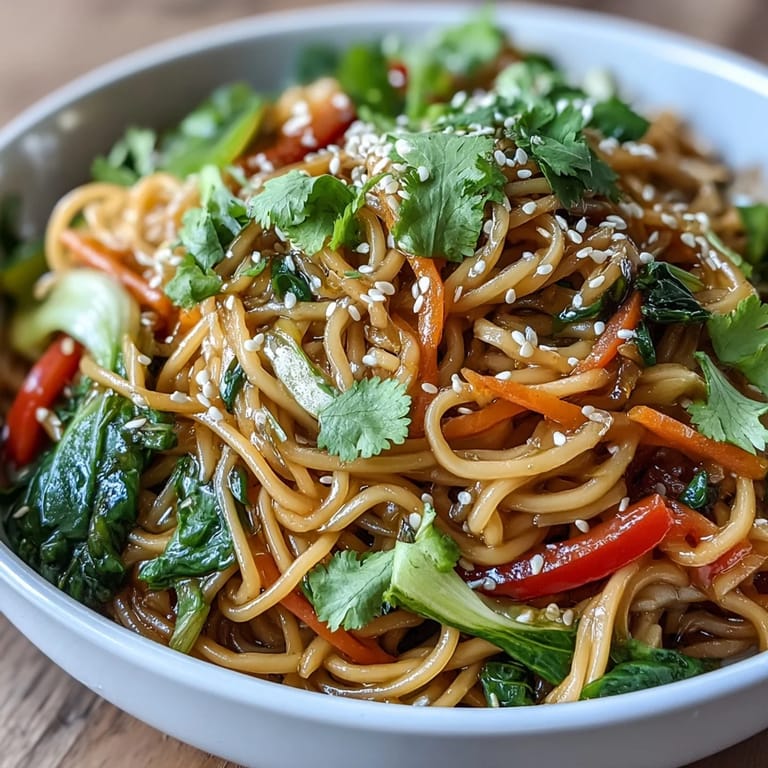
 One Tuesday evening, I stood in my kitchen staring at a box of shirataki noodles I'd picked up on a whim, wondering if they'd actually taste like something worth eating. My friend had raved about them for weeks, swearing they were a game-changer for her energy levels, but I remained skeptical until I threw together this bowl with whatever vegetables were lingering in my crisper drawer. That first bite—the way the ginger sauce clung to those delicate noodles while the vegetables stayed snappy and bright—completely shifted my thinking about what a satisfying meal could be.
I made this for my sister when she was visiting during a particularly stressful week, and watching her face light up after that first slurp told me everything I needed to know. She kept saying it was restaurant-quality, which honestly made me laugh because the most complicated thing I'd done was grate some ginger. We sat at the kitchen counter eating straight from the wok like nobody was watching, and for the first time in months, she actually relaxed.
Ingredients
- Shirataki noodles (400 g): These rice or konjac-based noodles are nearly zero carb and surprisingly delicate—rinsing them thoroughly removes the fishy smell some find off-putting, and boiling them briefly keeps them from turning mushy.
- Bok choy (1 cup, sliced): Its mild flavor and tender-crisp texture absorb the sauce beautifully, plus it cooks down just enough to be silky without falling apart.
- Red bell pepper (1/2, thinly sliced): The natural sweetness balances the ginger and creates those satisfying pops of color that make you actually want to eat more vegetables.
- Snow peas (1/2 cup, trimmed): They hold their snap through cooking and add a subtle sweetness that keeps the whole bowl from feeling one-note.
- Carrot (1 medium, julienned): Cutting them thin lets them soften just enough to taste cooked while keeping their gentle crunch.
- Green onions (2, thinly sliced): These add a bright, onion-y note at the end that somehow makes everything taste fresher.
- Tamari or gluten-free soy sauce (2 tbsp): This is your umami anchor—use the good stuff because it's what ties every ingredient together.
- Rice vinegar (1 tbsp): A touch of acid lifts the sauce and keeps it from tasting heavy or salty.
- Toasted sesame oil (1 tbsp): Don't skip the toasted version; the flavor difference is honestly night and day.
- Fresh ginger (1 tbsp, finely grated): A microplane is your friend here—it distributes the ginger evenly and releases those volatile oils that make the sauce sing.
- Garlic clove (1, minced): Just enough to add depth without making your breath suspicious.
- Maple syrup (1 tsp, optional): If you use it, it rounds out the sharp edges and adds a whisper of natural sweetness.
- Chili flakes (1/2 tsp, optional): These bring a gentle warmth that lingers pleasantly on the back of your tongue.
- Toasted sesame seeds (1 tbsp): A last-minute shower of these adds texture and a nutty finish that feels intentional.
- Fresh cilantro or basil (optional): Either herb brightens the whole bowl—pick whichever you have on hand.
Tired of Takeout? 🥡
Get 10 meals you can make faster than delivery arrives. Seriously.
One email. No spam. Unsubscribe anytime.
Instructions
- Rescue those noodles from their briny bath:
- Drain the shirataki noodles, then rinse them under cold running water—this step is crucial because it washes away that slightly off smell and any excess liquid. Boil them for just 2 minutes in plain water, drain thoroughly, and pat them dry with paper towels so they're ready to soak up every drop of sauce.
- Mix your magic sauce:
- In a small bowl, whisk together tamari, rice vinegar, sesame oil, grated ginger, minced garlic, maple syrup if you're using it, and chili flakes until everything is emulsified and glossy. Taste it as you go—the flavors should feel balanced between salty, sour, and aromatic.
- Get your vegetables sizzling:
- Heat a large skillet or wok over medium-high heat until it's genuinely hot, then add the carrot, bell pepper, and snow peas all at once. Stir-fry them for 2 to 3 minutes, listening for that satisfying sizzle and watching for the moment they start to soften at the edges while staying bright and crispy.
- Welcome the greens to the party:
- Toss in the bok choy and green onions, stirring constantly for another minute or two until the bok choy begins to wilt slightly but still has personality. The residual heat from the pan does most of the work here.
- Bring it all together:
- Add your prepared shirataki noodles to the pan, pour that gorgeous sauce right over everything, and toss like you mean it for 2 to 3 minutes. You'll watch the noodles transform from translucent to glossy, and the whole kitchen will smell like a ginger-scented dream.
- Finish like you care:
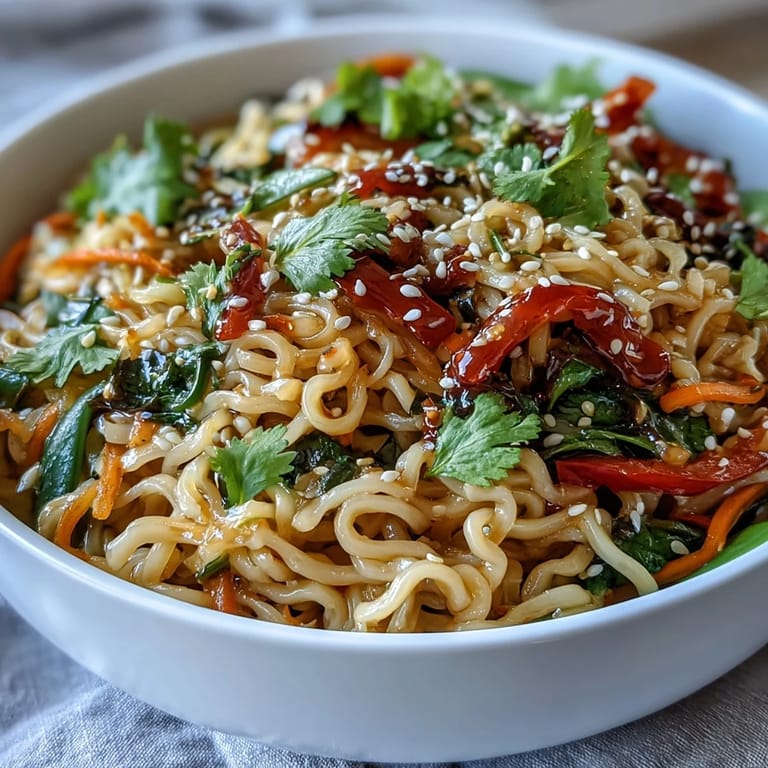
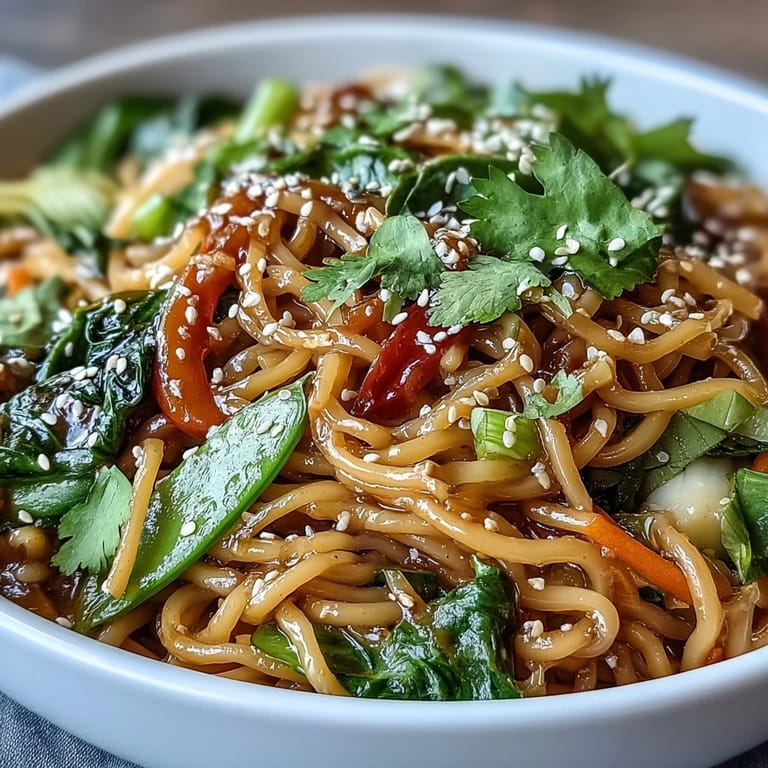
- Divide the steaming noodle situation between two bowls, then scatter toasted sesame seeds across the top and finish with fresh herbs if the mood strikes. Serve immediately while everything is still warm and the textures are at their best.
 Save to Pinterest
 There was this moment about halfway through making this for the third time when I realized I wasn't following the recipe anymore—I was actually cooking, adapting based on what my vegetables looked like and how my ginger smelled that day. That's when I knew this dish had become less of a task and more of a conversation between me and my ingredients.
The Shirataki Question
Shirataki noodles confused me at first because they're so lightweight and delicate compared to regular pasta, but that's actually their whole magic. They take on whatever flavor you give them without weighing you down, which is why this ginger sauce gets to be the real star. If you absolutely cannot get past the texture, regular buckwheat noodles or even rice noodles work fine—you'll just need to adjust your cooking time slightly.
Sauce Customization Without Apology
I've made this sauce at least a dozen different ways depending on what I had in the pantry, and honestly, the formula matters more than the exact ingredients. You need something salty, something sour, something aromatic, and something rich—after that, it's all personal taste.
- Swap rice vinegar for lime juice or apple cider vinegar and suddenly it tastes completely different.
- Try miso paste instead of or alongside the tamari if you want deeper umami that practically glows.
- A tiny drizzle of honey works instead of maple syrup if that's what's living in your cupboard.
Making It a Meal
This bowl is lean and satisfying as written, but I've learned that adding protein elevates it from light dinner to genuinely complete meal. Grilled tofu crumbles into the noodles beautifully, tempeh adds a deeper nutty flavor, and shrimp gets crispy at the edges and soaks up the sauce.
 Save to Pinterest
 This shirataki bowl has become my dependable answer to the question of what's for dinner when I want something that feels intentional but doesn't require a massive production. It reminds me that simple food cooked with attention tastes infinitely better than complicated food made carelessly.
Recipe FAQs
- → What do shirataki noodles taste like?
Shirataki have a neutral taste and absorb flavors beautifully from sauces and seasonings, making them perfect vessels for aromatic preparations like this ginger-infused bowl.
- → Can I prepare this bowl ahead?
The vegetables stay crisp when stored separately. Prepare everything in advance and combine just before serving for optimal texture and freshness.
- → What vegetables work best?
Bok choy, bell peppers, snow peas, and carrots provide excellent crunch and color. Broccoli, mushrooms, or snap peas make excellent seasonal substitutions.
- → Is the ginger sauce spicy?
Optional chili flakes add gentle warmth. The sauce balances savory tamari, tangy rice vinegar, and aromatic ginger with a hint of sweetness.
- → How can I add more protein?
Grilled tofu, tempeh, or cooked shrimp pair perfectly. Simply add your chosen protein during the final minutes of cooking.