 Save to Pinterest
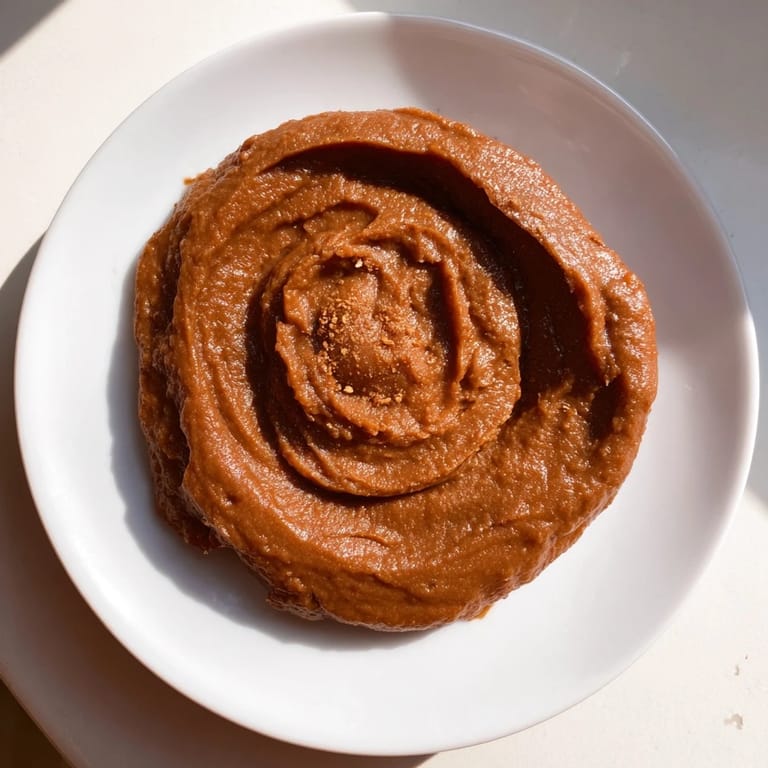
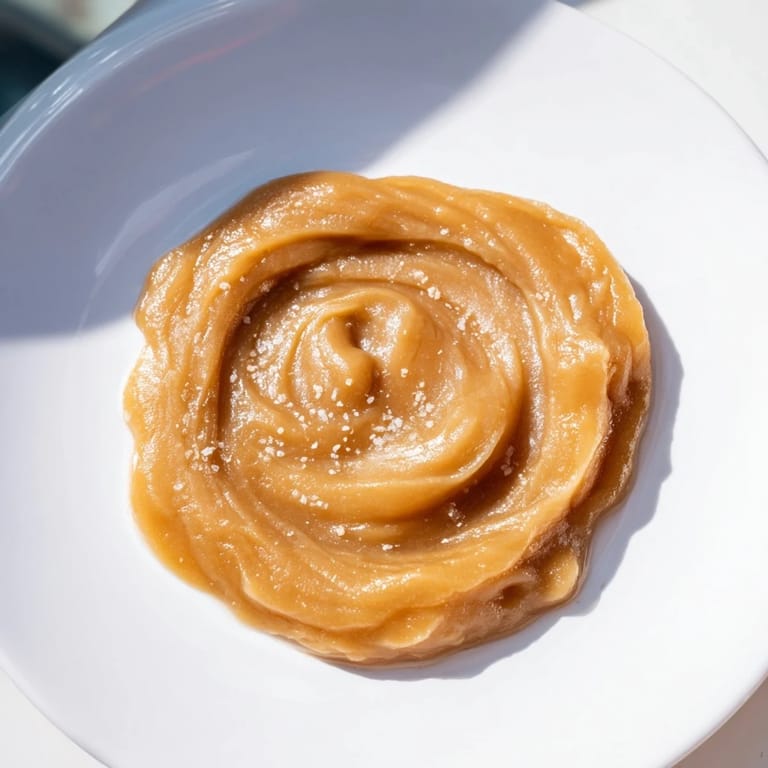
 The first time I tasted Al Madrooba, it was still warm, spooned directly from the pan into my hands as my grandmother gestured for me to try it. The dates had transformed into something almost silk-like, catching the morning light with an amber glow, and when I bit into it, I understood why this breakfast has sustained Emirati families for generations. There's a simplicity to it that feels almost impossible—just dates and ghee—yet somehow it becomes something entirely new, creamy and deeply satisfying in a way that instant breakfast foods never achieve.
I remember my aunt making this for a family gathering, and she kept insisting that nobody rush through it—that Al Madrooba was meant to slow you down. She was right. There's something about sitting with a warm piece of flatbread, spreading this creamy paste across it, and actually tasting each element that makes breakfast feel intentional rather than hurried.
Ingredients
- 400 g pitted Medjool dates: Soft, fresh Medjool dates are crucial here because they break down into a naturally creamy consistency without any additional liquid. If your dates feel even slightly dry or hard, soak them in warm water for a few minutes first.
- 3 tbsp ghee: The ghee is where the magic happens—it adds richness and helps create that silky, glossy texture. Use clarified butter rather than regular butter if you want the cleaner flavor that makes this dish shine.
- 1/2 tsp ground cardamom: This is optional but transforms the entire flavor profile with its floral, slightly spiced warmth. It feels like a secret ingredient that people can taste but can't quite name.
- Pinch of sea salt: A small pinch balances the sweetness and makes the dates taste even more complex.
Tired of Takeout? 🥡
Get 10 meals you can make faster than delivery arrives. Seriously.
One email. No spam. Unsubscribe anytime.
Instructions
- Prepare your dates:
- If you're starting with whole dates, remove the pits and chop them into rough chunks. This helps them break down faster in the pan and ensures even cooking.
- Warm the ghee gently:
- Pour the ghee into a nonstick pan and set it over low heat. You want it warm and fluid, not bubbling or hot.
- Add the dates and begin stirring:
- Add all the chopped dates to the warm ghee and start mashing them with a wooden spoon or spatula. The dates will resist at first, holding their shape, but keep stirring continuously.
- Watch for the transformation:
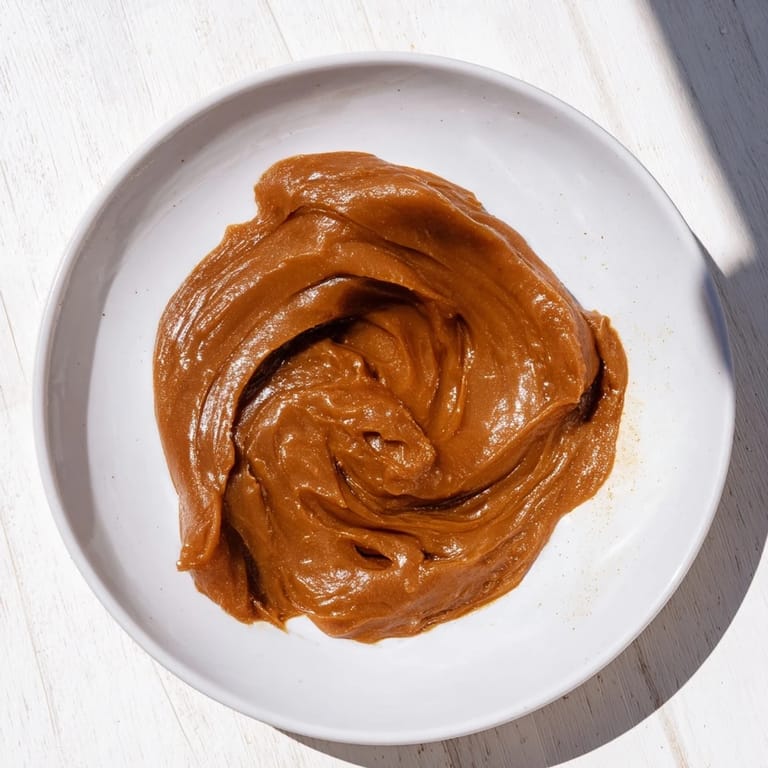
- Around the 3-minute mark, you'll notice the dates beginning to soften and break apart. By 4 to 5 minutes, they'll blend with the ghee into something creamy and paste-like, with a glossy sheen. The texture should be smooth and cohesive, never grainy.
- Season and finish:
- Sprinkle in the cardamom and a tiny pinch of salt, stirring until everything is evenly mixed. The paste should smell fragrant and look luxurious at this point.
- Cool and serve:
- Remove from heat and let it rest for a minute or two. Serve it warm spread on flatbread, or let it cool completely and enjoy it at room temperature.
 Save to Pinterest
 My cousin once brought a jar of homemade Al Madrooba to a potluck, and three people asked for the recipe because they'd assumed it came from a fancy shop. Watching her laugh at that moment, I realized this dish has a quiet elegance to it—it looks and tastes far more impressive than the effort it demands.
Why Dates Matter in This Recipe
Dates are naturally sticky and dense, which is exactly why they work so beautifully here. When heated gently with fat, they release their natural sugars and oils, creating a texture that's nothing like the individual dates you started with. Medjool varieties are specifically preferred because they're buttery by nature, requiring minimal additional ingredients to achieve that luxurious consistency. If you ever taste a batch that feels grainy or separated, it's almost always because the dates themselves were dry or old rather than an error in technique.
The Role of Ghee in Making This Work
Ghee does two things here that regular butter can't quite manage. First, it has a higher fat content and lower water content, which means it won't make your dates watery or prevent them from reaching that creamy state. Second, its nutty, slightly caramelized flavor adds depth that makes the sweetness feel more sophisticated. If you're substituting with butter because that's what you have, just understand that your batch will be slightly looser and more spreadable rather than paste-like.
Making It Your Own
Al Madrooba is forgiving in the best way possible. Once you've mastered the basic technique, variations emerge naturally. Some people add a hint of rose water or orange blossom water, while others swirl in crushed pistachios or toasted almonds for texture. I've even seen versions with a touch of vanilla or a dusting of ground cinnamon. The foundation stays the same—dates and ghee, nothing more—but the personality changes based on what speaks to your palate.
- For a dairy-free version, coconut oil creates a surprisingly delicious result with a slightly tropical undertone.
- If you want extra smoothness, pulse the dates in a food processor before cooking them, which cuts the cooking time to just 2 minutes.
- Store leftovers in a glass jar at room temperature for up to a week, or refrigerate for longer shelf life.
 Save to Pinterest
 Al Madrooba taught me that breakfast doesn't need to be complicated to be meaningful. It's a dish that whispers rather than shouts, nourishing and simple, perfect on its own or as part of something larger.
Recipe FAQs
- → What type of dates work best for this dish?
Soft, fresh Medjool dates are ideal as they blend smoothly and provide natural sweetness and texture.
- → Can I replace ghee with other fats?
Yes, unsalted butter offers a milder taste, while coconut oil provides a dairy-free alternative with subtle tropical notes.
- → How long should I cook the date mixture?
Cook and mash the dates in melted ghee over low heat for about 3 to 5 minutes until the mixture becomes thick and glossy.
- → Is cardamom necessary for the flavor?
Cardamom adds a fragrant, warm spice enhancing the overall richness, but it can be omitted if preferred.
- → What bread pairs well with this spread?
Warm flatbreads such as khameer or pita complement the creamy texture and sweet, buttery flavors perfectly.