 Save to Pinterest
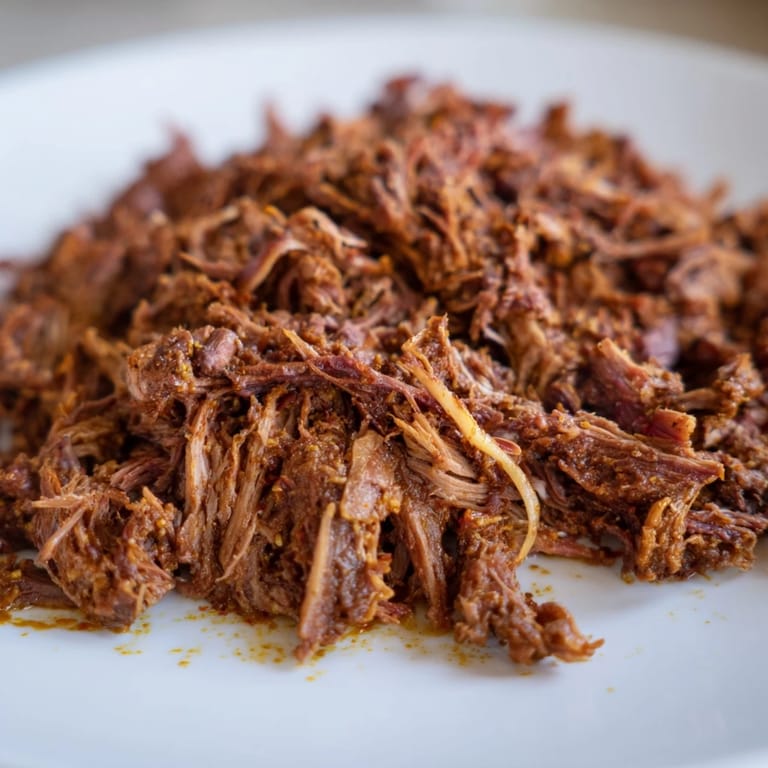
 My first encounter with Shuwa was at a family gathering in Muscat, where the anticipation built for hours before the underground oven was opened. The smell that escaped—a cloud of cinnamon, cardamom, and slow-cooked lamb—stopped everyone mid-conversation. When I finally tasted that impossibly tender meat, infused with spices that had become part of its very fiber, I understood why this dish is reserved for celebrations. Years later, recreating it in a home oven, I discovered the magic wasn't just in the spices or the meat—it was in the patience, and in how banana leaves hold secrets.
I made this for my partner's birthday dinner, and the moment we unwrapped those banana leaves at the table, steam rising with the most intoxicating blend of spices, I saw why Omanis consider Shuwa a dish for important moments. The meat fell apart with just a fork, and the quiet delight around the table told me everything I needed to know about whether the hours of marinating and roasting were worth it.
Ingredients
- Lamb shoulder or leg (2.5 kg, bone-in): Bone-in cuts release gelatin as they cook, making the meat silkier and the juices richer. Don't trim all the fat—it bastes the meat from within.
- Garlic and ginger paste (4 tbsp and 2 tbsp respectively): Fresh paste penetrates deeper than powder and creates a more authentic, punchy base. If you can't find pre-made, mince finely or blend with a little water.
- Ground coriander, cumin, cinnamon, cardamom (2 tbsp, 1.5 tbsp, 1 tbsp, 1 tbsp): These four spices are the heart of Shuwa—they're warm, slightly sweet, and build on each other. Toast them lightly in a dry pan before grinding if you have whole spices; the aroma tells you when they're ready.
- Black pepper, cloves, paprika, turmeric, chili powder (1 tbsp, 2 tsp, 2 tsp, 1 tsp, 2 tsp): These add depth, heat, and color. Don't skip the black pepper—it cuts through the richness beautifully.
- Salt and acid (2 tsp salt, 1/4 cup white vinegar, juice of 2 lemons): The vinegar and lemon don't just flavor; they help break down the meat fibers, making it even more tender.
- Vegetable oil (1/4 cup): Helps the marinade coat evenly and protects the spices from burning.
- Banana leaves (4–6 large): These aren't just wrapping—they impart a subtle, earthy sweetness and keep moisture locked in. If unavailable, parchment paper works, but foil loses some of that authentic character.
Tired of Takeout? 🥡
Get 10 meals you can make faster than delivery arrives. Seriously.
One email. No spam. Unsubscribe anytime.
Instructions
- Mix the spice paste:
- Combine garlic, ginger, and all the ground spices in a bowl with vinegar, oil, and lemon juice. The mixture should smell impossibly good—aromatic and slightly sharp. Taste a tiny amount on your fingertip to check salt balance; you're seasoning meat that will cook for hours, so err toward slightly salty.
- Score and season the meat:
- With a sharp knife, make deep cuts across the meat, spacing them about an inch apart and cutting down to the bone. These cuts are highways for the marinade, letting it penetrate where whole pieces never could. Rub the paste everywhere—don't be shy, and work it into every cut with your hands.
- Marinate overnight (or longer):
- Cover the meat and refrigerate for at least 8 hours, though 24 hours is ideal. The longer it sits, the more the acids soften the fibers and the deeper the spices settle in.
- Preheat the oven:
- Set it to 160°C (320°F). This low, gentle heat is crucial—higher temperatures will tighten the meat instead of melting it.
- Wrap in banana leaves:
- Pat the banana leaves dry and wrap the meat tightly, as if tucking it into a cozy blanket. You can layer leaves for extra protection, or secure them with kitchen twine. The wrapping creates a steamy environment that braises the meat tenderly.
- Roast low and slow:
- Place the wrapped bundle in a roasting pan, cover with a lid or foil, and slide it into the oven. For 4 to 6 hours, the meat transforms—fibers soften, flavors deepen, and the whole thing becomes a single cohesive dish. Don't peek too often; patience is the ingredient that matters most here.
- Unwrap and serve:
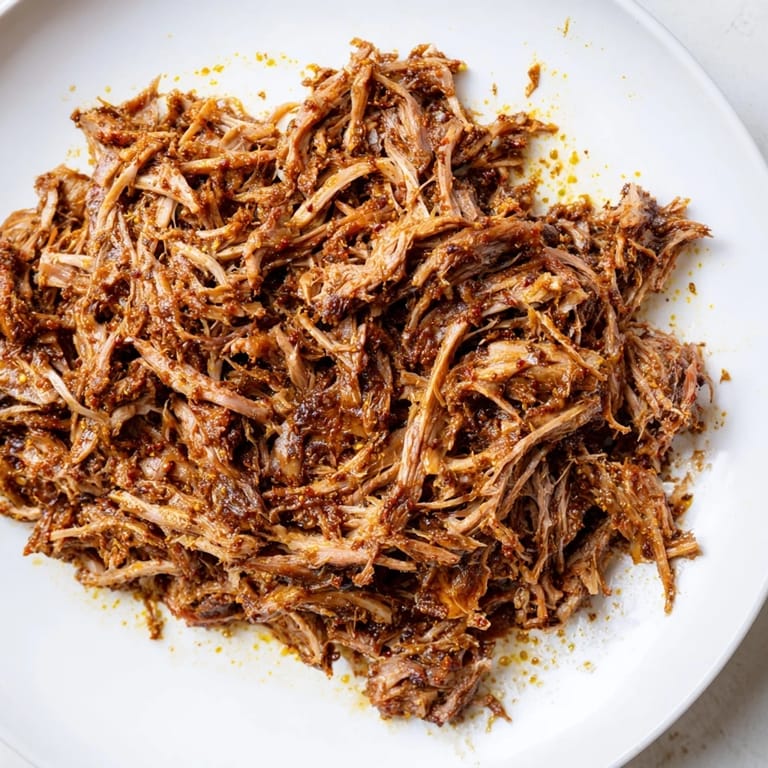
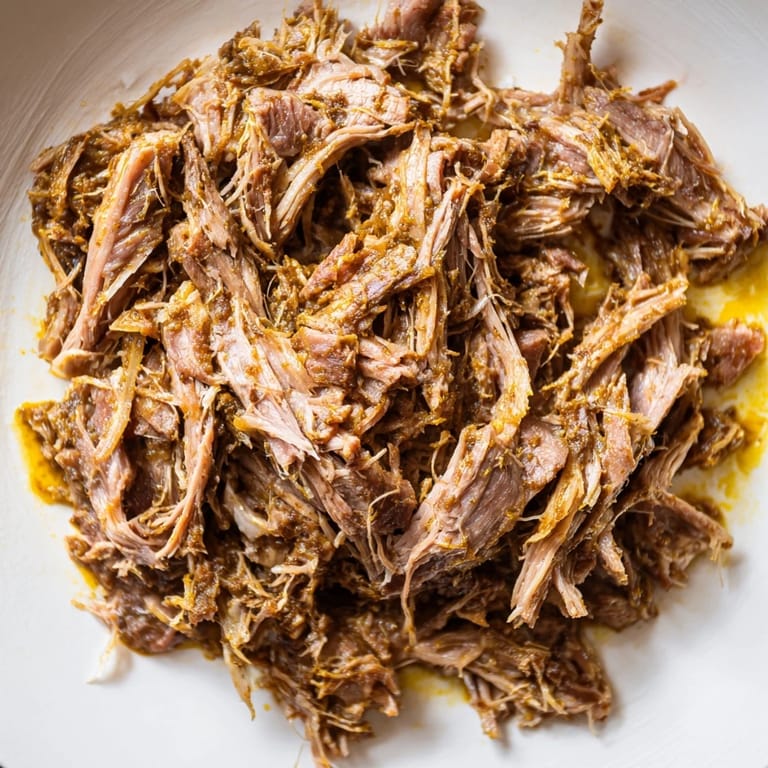
- When the meat is falling-apart tender (you'll know—a fork will slide through bone-in sections with no resistance), carefully unwrap it. The meat will likely shred on its own. Serve with steamed rice and yogurt sauce to cool the spices.
 Save to Pinterest
 There's a moment, about halfway through the cooking, when you walk past the oven and the smell has become almost unbearably good. That's when you know something special is happening. I've learned to set a timer for that moment, not to check the meat, but just to stand there and anticipate what's coming.
Why Banana Leaves Matter
Banana leaves are more than just wrapping—they're part of the flavor story. As the meat steams inside, the leaves release subtle, sweet notes that modern cling film or foil simply can't replicate. The tradition of cooking Shuwa in underground ovens originally used whatever leaves were available, and banana leaves became the standard because they're resilient and impart authenticity. When I first tried substituting foil, the dish was still delicious, but something intangible was missing—a whisper of sweetness and earthiness that made it feel less like a feast and more like just tender meat.
Adapting for Your Oven
Traditional Shuwa cooks in sand ovens that hold heat evenly from all sides, but home ovens are a different beast. The key is low temperature and time—rushing it with higher heat tightens the meat instead of relaxing it. I've found that 160°C and a covered pan work beautifully, creating a humid environment that mimics a sand oven's gentle embrace. Every oven behaves differently, so check tenderness at 4 hours; if the meat isn't falling apart yet, give it more time rather than raising the heat.
Serving and Pairing
Shuwa demands respectful company—not elaborate side dishes that compete, but simple, clean flavors that let the meat shine. Steamed basmati rice soaks up the juices beautifully, and a tangy yogurt sauce cools the warmth of the spices. I've started serving it with a simple salad of cucumbers, tomatoes, and red onion, which adds freshness and cuts through the richness in the best way.
- Make a quick yogurt sauce by mixing plain yogurt with lemon juice, a pinch of salt, and fresh cilantro.
- The meat is so tender that even modest eaters will enjoy it—there's no fighting with tough fibers.
- Leftovers shred easily and transform into stunning sandwiches or rice bowls the next day.
 Save to Pinterest
 Shuwa is a reminder that the best meals aren't rushed—they're built with time, patience, and spices that carry stories across continents. Make this dish when you want to feed people something that feels like celebration, because that's what it is.
Recipe FAQs
- → What cut of meat works best for slow cooking in this dish?
Bone-in lamb shoulder or leg is ideal, as the marbling and bone contribute to tenderness and rich flavor during long, slow roasting.
- → How do banana leaves affect flavor in cooking?
Banana leaves help retain moisture and impart a subtle, earthy aroma that enhances the overall flavor of the meat during slow cooking.
- → Can other types of meat be used instead of lamb?
Yes, beef or goat can be substituted, though cooking times may vary to achieve the desired tenderness.
- → Is it necessary to marinate the meat overnight?
Marinating for 8 to 24 hours allows the spices to deeply penetrate the meat, enhancing flavor and tenderness, which is key to the dish’s success.
- → What temperature and duration are recommended for roasting?
Roasting at around 160°C (320°F) for 4 to 6 hours ensures slow, even cooking and tender results.
- → Are there alternatives if banana leaves are not available?
Parchment paper or heavy-duty foil can substitute banana leaves, though the unique aroma from leaves will be less pronounced.