 Save to Pinterest
 One Saturday morning, my kitchen filled with the smell of vanilla and cinnamon while I was testing a new protein powder I'd picked up. I'd always loved bagels but felt guilty about how heavy they sat afterward, so I thought, why not try weaving protein into the dough itself? The result was something unexpectedly tender and chewy, nothing like the dense protein bars I'd imagined. My roommate wandered in halfway through boiling them and asked if I was opening a bakery. I wasn't, but these bagels made me feel like I could.
I made these for my book club last month, and honestly, I was nervous about bringing homemade bagels to a group of people who'd probably had the real thing in New York. But something shifted when everyone tasted them warm from the rack—there was this moment of genuine surprise, like they weren't expecting homemade food to be this good. One friend asked if I could teach her, and now we bake them together on Sunday mornings. That's when I knew this recipe had become something more than just breakfast.
Ingredients
- Bread flour (2 cups): This is the backbone of a proper bagel—the gluten structure is what gives you that characteristic chew that all-purpose flour can't quite match.
- Vanilla protein powder (1 cup): Use whichever brand you trust; the vanilla flavor actually complements the cinnamon beautifully, and you can swap it for chocolate or unflavored if you want to experiment.
- Active dry yeast (2¼ tsp): Proof it in warm water first so you know it's alive and working—dead yeast is the silent killer of bagel dreams.
- Granulated sugar (2 tbsp): This feeds the yeast and adds a subtle sweetness that won't overpower the protein flavor.
- Salt (1 tsp): Don't skip this; it controls the yeast and makes every other flavor pop.
- Warm water (1 cup): Temperature matters here—too hot kills the yeast, too cold and nothing happens; aim for around 110°F, which feels warm but not hot on your wrist.
- Unsalted butter (1 tbsp melted, plus 2 tbsp softened): The melted butter goes into the dough for richness, while the softened butter becomes the base of your cinnamon swirl.
- Brown sugar (¼ cup) and ground cinnamon (2 tsp): This combination creates that ribbon of warmth running through the middle—use fresh cinnamon if you have it, as old cinnamon tastes flat and dusty.
- Honey or maple syrup (2 tbsp for boiling): This gives the bagels a slight sheen and a hint of subtle sweetness without the harshness of just water.
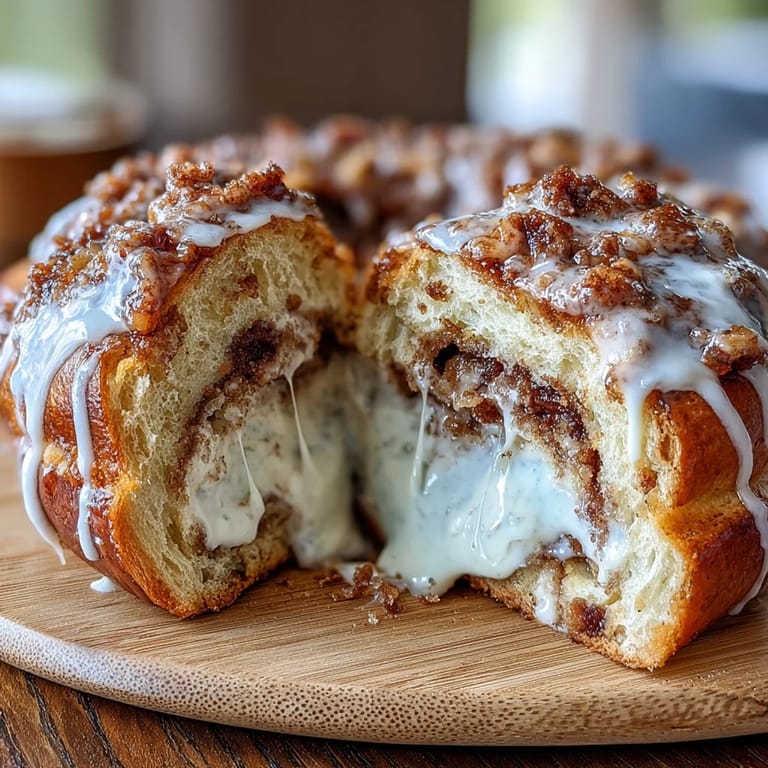
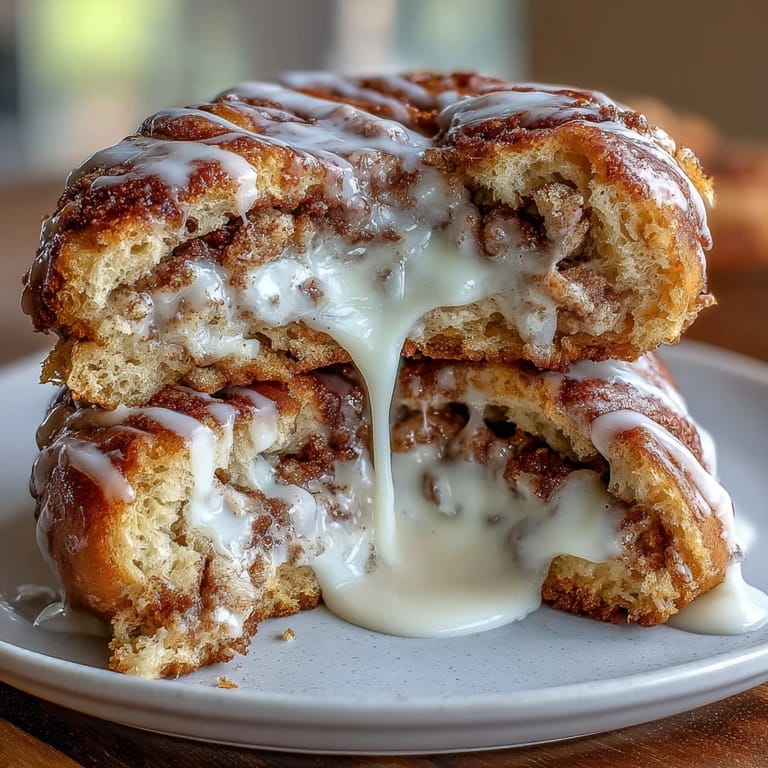
- Greek yogurt (½ cup) and powdered sugar (2 tbsp): These create the glaze, which is tangy enough to balance the sweetness of the bagel itself.
- Vanilla extract (½ tsp) and milk (1–2 tsp): Vanilla ties everything together, and milk thins the glaze to the right consistency.
Tired of Takeout? 🥡
Get 10 meals you can make faster than delivery arrives. Seriously.
One email. No spam. Unsubscribe anytime.
Instructions
- Combine your dry team:
- Whisk together the bread flour, protein powder, sugar, and salt in a large bowl so the protein powder distributes evenly throughout and won't create weird clumpy pockets later. This mixing step saves you a lot of kneading frustration.
- Wake up the yeast:
- Pour warm water over the yeast and let it sit for about 5 minutes—you'll see it get foamy and smell that distinctive yeasty aroma, which means it's ready to go. If it doesn't foam, your water was probably too hot or cold, or the yeast is past its prime.
- Bring it all together:
- Add the yeast mixture and melted butter to your dry ingredients and mix until a rough dough forms. You're not looking for perfection here, just enough mixing that no dry flour streaks remain.
- Knead with intention:
- Turn the dough onto a floured surface and knead for 6 to 8 minutes—this is where the magic happens, as the gluten develops and your dough goes from shaggy to smooth and elastic. You'll feel it transform under your hands.
- Let it rise in peace:
- Oil a bowl lightly, plop your dough in, cover it with a damp kitchen towel, and set it in a warm spot for 30 to 40 minutes until it's roughly doubled in size. A sunny windowsill or the top of your refrigerator works beautifully.
- Prepare the cinnamon magic:
- While the dough rises, mix your softened butter with brown sugar and cinnamon until it looks like wet sand. The softened butter is key here—if it's too cold, it'll tear your dough when you spread it.
- Roll and swirl:
- Once the dough has risen, punch it down gently (this is oddly satisfying), then roll it into a 10x14-inch rectangle about ¼ inch thick. Spread your cinnamon mixture evenly across the surface, leaving a small border on one long side to help it seal when you roll.
- Create the spiral:
- Roll the dough tightly from the long side toward you, then cut it into 8 equal pieces using a sharp knife or dental floss for cleaner cuts. Each piece should be roughly 2 inches wide.
- Shape like a bagel maker:
- Take each piece and roll it between your palms into a smooth ball, then poke your thumb through the center and gently stretch it into a bagel shape with a hole about 2 inches in diameter. Don't make the hole too small, or it'll close up during boiling.
- A short rest:
- Lay your bagels on a parchment-lined baking sheet, cover them loosely, and let them rest for 10 minutes while you preheat the oven. This brief rest prevents them from deflating when they hit the boiling water.
- Preheat to crispy:
- Get your oven to 375°F so it's ready the moment your bagels come out of the water.
- The crucial boil:
- Bring water and honey to a gentle boil in a saucepan, then carefully drop each bagel in and boil for 30 seconds per side using a slotted spoon. You'll see them bob to the surface and get a slight glossy finish—this is what creates that chewy exterior.
- Back to the sheet:
- Use your slotted spoon to fish each bagel out and return it to the baking sheet. They should feel slightly sticky, which is exactly right.
- Bake until golden:
- Bake for 18 to 20 minutes until they're a deep golden brown on top. The aroma at this point is almost overwhelming in the best way possible.
- Cool with patience:
- Let the bagels cool on a wire rack for at least 10 minutes before glazing, or the heat will make the glaze runny.
- Make the silky glaze:
- Whisk Greek yogurt, powdered sugar, vanilla, and milk together until completely smooth with no lumps. If it's too thick, add milk a teaspoon at a time until it reaches a drizzle consistency.
- Finish with flavor:
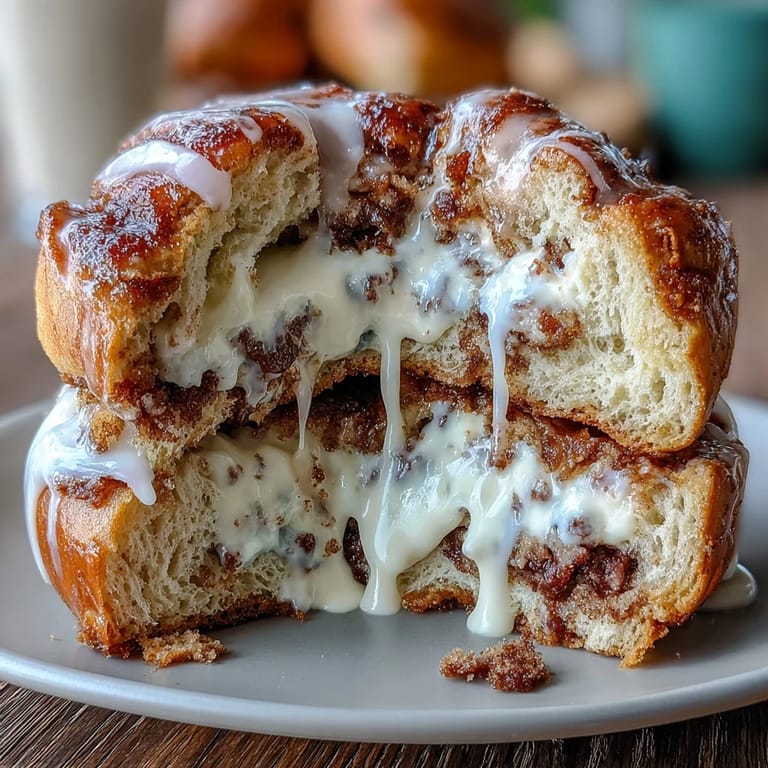
- Drizzle the glaze generously over the cooled bagels and serve immediately, or store them and glaze them fresh whenever you're ready to eat.
 Save to Pinterest
 There's something deeply satisfying about pulling a fresh bagel out of boiling water and watching it puff slightly in the oven—it feels like actual baking magic, the kind that makes you believe you've learned something real. My mom tried one fresh from the rack and said it reminded her of bagels from her favorite shop from decades ago, which meant more to me than any compliment about being a good baker.
Protein Powder Variations That Actually Work
The beauty of building protein into the dough is that you can play with different flavors without changing the structure. I've tried salted caramel protein powder with a maple glaze, chocolate protein with a dark chocolate drizzle, and even birthday cake flavor with cream cheese frosting. Each one tastes completely different, but the bagel itself remains tender and chewy. The only rule I've learned is to stick with powder that's meant for baking—some protein powders designed for smoothies can get grainy or bitter when exposed to oven heat.
Storage Secrets and Make-Ahead Tips
These bagels freeze beautifully, which changed how I approach breakfast planning. I usually make a double batch on Sunday, freeze them in a zip-top bag for up to three weeks, and then thaw them whenever I need a quick protein-packed breakfast. The glaze should always be added fresh after thawing—if you glaze them before freezing, it gets watery and separates. I learned this the hard way by freezing an already-glazed bagel and discovering a puddle of separated yogurt when I thawed it.
Troubleshooting the Common Mishaps
The most frequent issue I've encountered is bagels that deflate after boiling, which usually means the dough was overproofed or the shaped bagels sat too long before boiling. If your bagels look dense after baking, the dough likely needed less rising time next round. One unexpected win: if your glaze separates a bit while sitting, just whisk it again before drizzling, and it comes back together perfectly. Sometimes the simplest solutions are just a few seconds of attention.
- If bagels are too dense, reduce rising time by 5–10 minutes on your next batch.
- For extra shine and crunch, brush bagels with beaten egg white before baking.
- Add chopped walnuts or pecans to the cinnamon swirl for texture contrast and a nuttier flavor profile.
 Save to Pinterest
 These bagels have become my answer to that 6 AM moment when I want something wholesome but also genuinely delicious. There's real joy in biting into something you made yourself that tastes like it came from somewhere special.
Recipe FAQs
- → What type of protein powder works best?
Both whey and plant-based protein powders blend well, offering flexibility based on dietary preferences.
- → How do I achieve the cinnamon swirl inside the dough?
After rolling out the dough, spread softened butter mixed with brown sugar and ground cinnamon evenly before rolling tightly and slicing.
- → Why boil the bagels before baking?
Boiling creates the classic chewy crust and helps the bagels puff up during baking for the ideal texture.
- → Can I add nuts for extra texture?
Yes, chopped pecans or walnuts can be added to the cinnamon filling to provide a pleasant crunch.
- → How can I store and reheat these bagels?
Bagels freeze well; for best results, thaw completely and add the vanilla yogurt glaze fresh before serving.