 Save to Pinterest
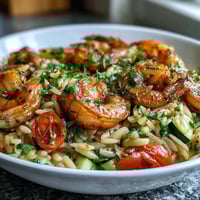
 There's something about the sound of vegetables hitting hot oil that tells you dinner is going to be good. I stumbled onto this one-pot lemon herb orzo on a Tuesday when my fridge had that mixed collection of spring vegetables that wouldn't keep much longer, a can of chickpeas, and absolutely no energy for complicated cooking. What emerged from that single pot was so bright and satisfying that I've made it dozens of times since, each version a little different depending on what's in season.
My partner came home mid-cook one evening and just stood in the kitchen breathing in while I was adding the spinach and lemon. He didn't say anything, just smiled. That's when I realized this dish has a kind of magic to it, the way the bright citrus and green herbs transform simple pasta and vegetables into something that feels like a celebration of spring itself.
Ingredients
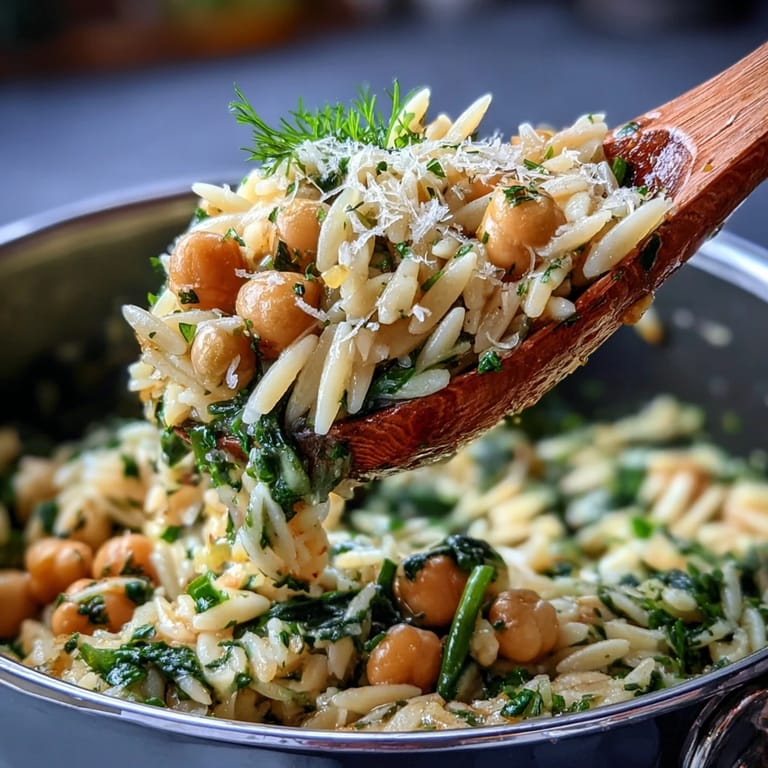
- Orzo pasta: This small, rice-shaped pasta is your canvas here, absorbing all the broth and herb flavors as it cooks, which is why it works so much better than regular pasta for one-pot meals.
- Chickpeas: They give you protein and a slight earthiness that balances the bright lemon, and honestly, they're much cheaper than most other proteins.
- Asparagus, sugar snap peas, zucchini: These spring vegetables stay slightly tender rather than mushy if you add them at the right time, which is why layering them matters.
- Baby spinach: It wilts in just a moment at the end and adds both nutrition and that fresh, vibrant green color.
- Yellow onion and garlic: They're the aromatic foundation, building flavor depth before anything else hits the pan.
- Vegetable broth: Low-sodium is crucial because the liquid reduces and concentrates as the pasta cooks, so you control the salt level rather than the broth doing it for you.
- Olive oil: Use something you'd actually enjoy tasting because it's not being cooked into oblivion, just gently warmed.
- Lemon juice and zest: Both matter—the juice adds brightness, the zest adds those little pockets of intense citrus oil that surprise your palate.
- Fresh parsley and dill: These go in at the very end so they keep their fresh flavor and color rather than turning dark and muted.
- Oregano, salt, pepper, red pepper flakes: Oregano brings that Mediterranean feel, while the red pepper flakes add optional heat for anyone who wants it.
Tired of Takeout? 🥡
Get 10 meals you can make faster than delivery arrives. Seriously.
One email. No spam. Unsubscribe anytime.
Instructions
- Warm your oil and build your base:
- Heat that olive oil over medium heat and add your finely chopped onion. You'll know it's ready when it's soft and slightly golden at the edges, about 3 to 4 minutes. This slow start makes a real difference in the final flavor.
- Add the harder vegetables first:
- Now add your garlic, zucchini, asparagus, and sugar snap peas. Stir them around for 2 to 3 minutes until they're just starting to soften but still have some resistance when you bite them. You want them to finish cooking in the broth, not in the pan.
- Toast the orzo briefly:
- Stir in your dry orzo and let it sit for about a minute, stirring constantly. This adds a subtle nuttiness that makes the whole dish feel more complex.
- Bring it all together:
- Add your drained chickpeas, vegetable broth, oregano, salt, pepper, and red pepper flakes if you're using them. Stir everything together and let it come to a gentle boil, then reduce the heat down to a simmer.
- Cover and let it do its thing:
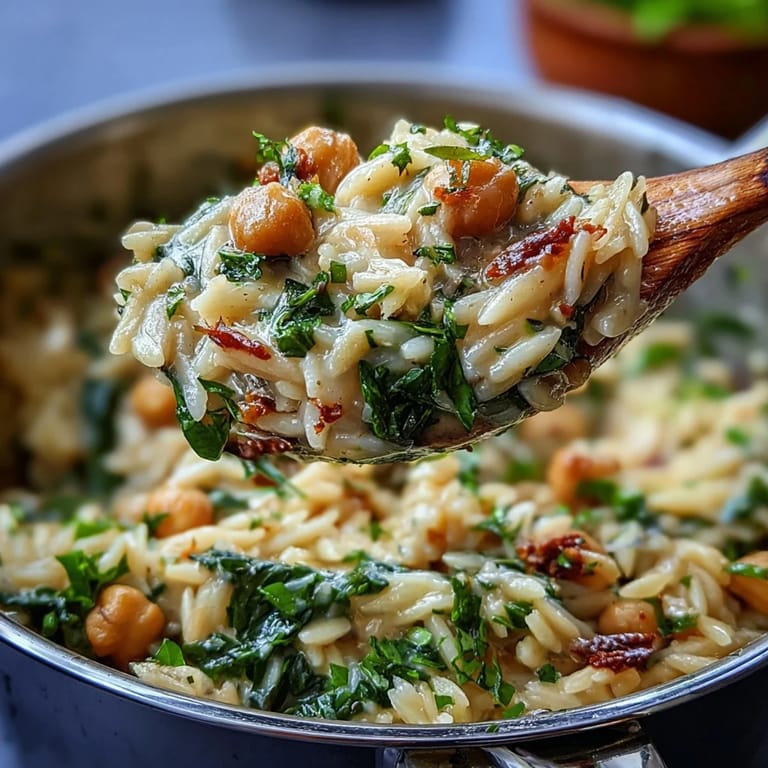
- Put a lid on your pot and let it simmer for 8 to 10 minutes, stirring occasionally so nothing sticks to the bottom. The orzo will absorb most of the liquid and become tender, and you'll notice the kitchen smelling increasingly wonderful.
- Finish with the bright stuff:
- Stir in your baby spinach, lemon juice, and lemon zest, and cook for just 1 to 2 minutes until the spinach wilts completely. This is where the dish transforms from good to exceptional.
- Season and serve:
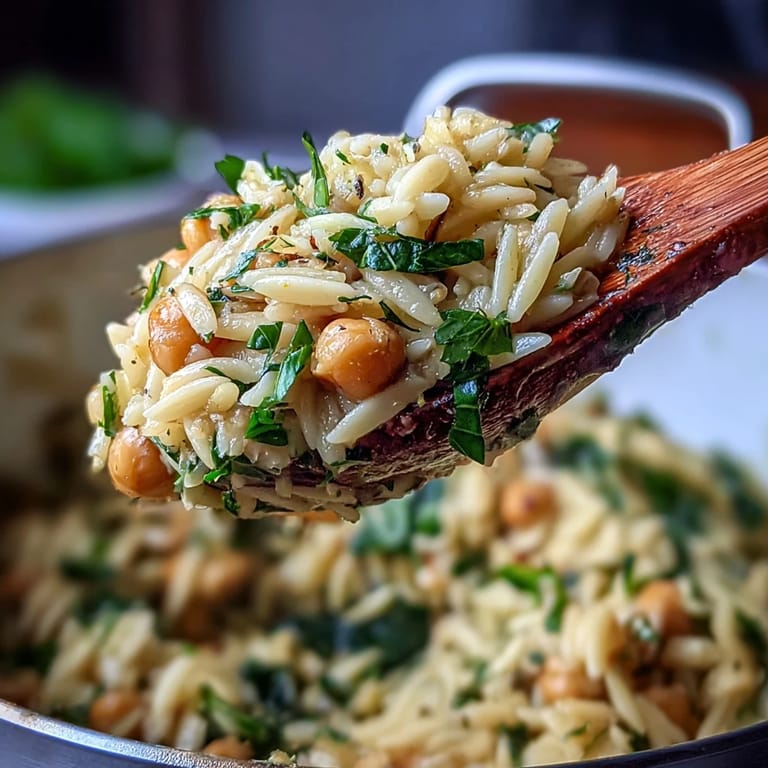
- Remove from heat and add your fresh parsley and dill, tossing gently. Taste it and adjust the seasoning if it needs more salt or a squeeze more lemon.
 Save to Pinterest
 I made this for a potluck where everyone brought something heavy and complicated, and this one-pot dish somehow became the thing people went back to twice. It was the moment I understood that sometimes the simplest meals are the ones that feel the most thoughtful.
The Spring Vegetable Swap
The beauty of this dish is that it doesn't demand a specific set of vegetables. I've made it with fresh peas instead of snap peas, added broccoli florets, swapped in green beans, and even thrown in some thinly sliced fennel when I had it on hand. The only real rule is to add them in order of how long they take to cook, with the hardest vegetables going in first so everything finishes at the same time. This is actually how I learned to think more intuitively about cooking, understanding that ingredient timing matters more than exact ingredient lists.
Making It Richer or Lighter
If you want to make this feel more indulgent, a spoonful of Greek yogurt or vegan yogurt stirred in at the end creates a subtle creaminess that doesn't hide the other flavors. For those wanting to amp up the protein without dairy, extra chickpeas work perfectly, or a handful of shelled edamame adds a slightly sweet pop. You could also finish it with a drizzle of really good olive oil and some grated cheese if you eat dairy, but honestly, the lemon and herbs are enough to make it feel complete.
Pairing and Storage Tips
This dish is naturally forgiving and actually tastes good the next day, making it excellent for meal prep or having leftovers for lunch. A crisp white wine like Sauvignon Blanc pairs beautifully, or just serve it with sparkling water and lemon wedges if you prefer something non-alcoholic. Store any leftovers in an airtight container in the refrigerator for up to three days, and you can either reheat gently on the stovetop with a splash of broth or eat it at room temperature if the mood strikes you.
- Add a squeeze of fresh lemon juice when reheating to bring back the brightness.
- Make double the recipe and freeze half before adding the fresh herbs.
- If you have leftovers, try mixing them into a grain bowl the next day for something that feels like an entirely different meal.
 Save to Pinterest
 This is the kind of recipe that asks very little of you but somehow gives back more than you put in. It's become my go-to when I want something that feels nourishing without demanding much of my energy, and that feels like its own kind of victory in the kitchen.