 Save to Pinterest
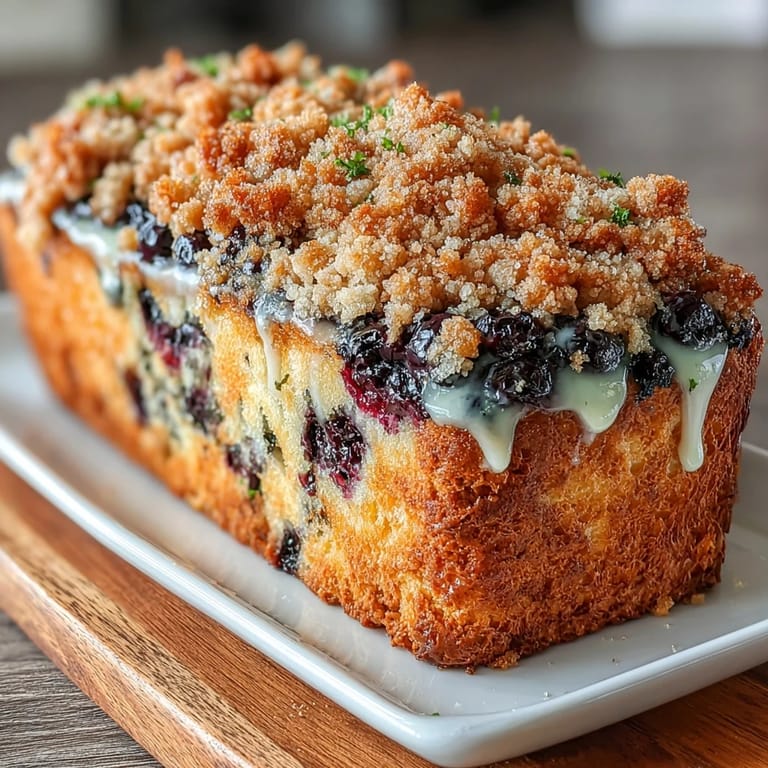
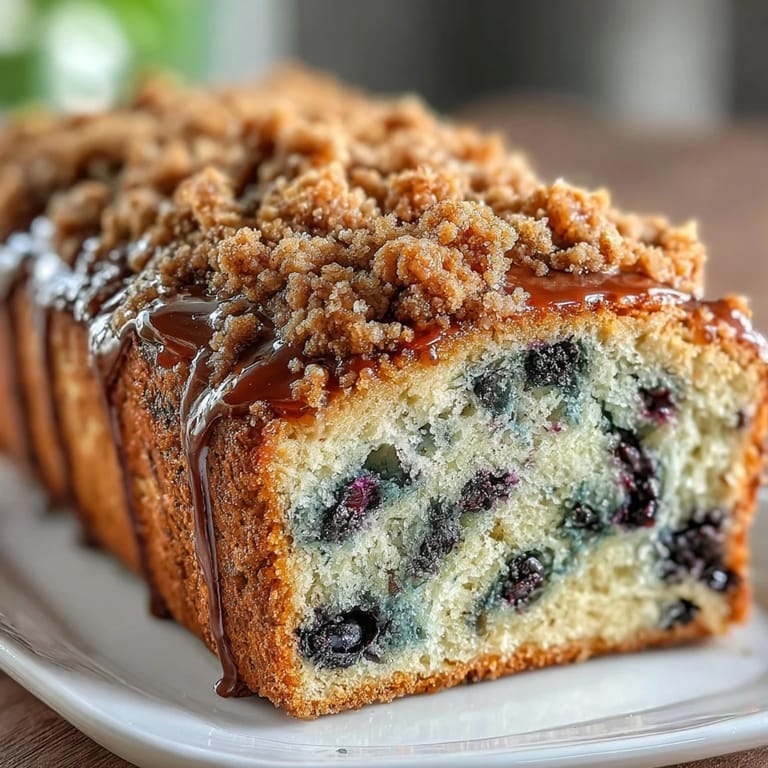
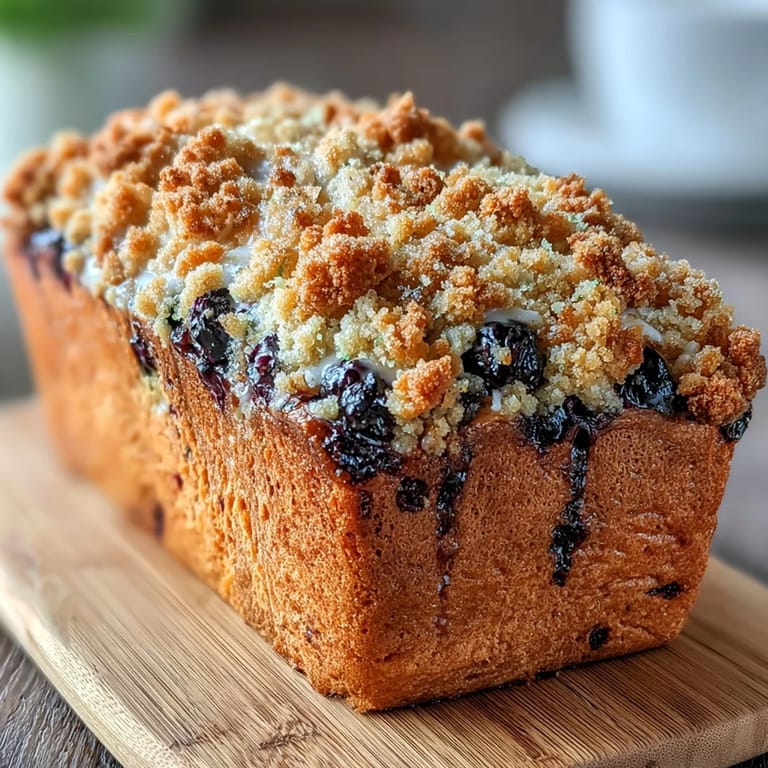
 There's something magical about the moment when a loaf of sourdough hits that perfect balance between tangy and sweet, and this lemon blueberry version practically demands to be made on a Sunday morning when you've got time to slow down. My kitchen smelled like a bakery and a lemon grove had a collision when I first attempted this, and honestly, I was skeptical that swirling fruit into sourdough would work at all. But that first slice, still warm with those juicy bursts of blueberry and that buttery crumble top catching the light, changed everything. Now I make it whenever someone needs reminding that homemade bread doesn't have to be intimidating. It's the kind of loaf that makes people ask for the recipe before they've even finished eating.
I brought this to my neighbor's kitchen one afternoon when her kids were home sick, and watching their faces light up when they realized homemade meant it was still warm haunted me in the best way. She's been asking me to teach her ever since, which tells me everything I need to know about how this bread hits differently than store-bought. There's something about the combination of that slight tang with the burst of berry and citrus that just works for people.
Ingredients
- Bread flour: This gives you structure and chew that all-purpose flour can't quite deliver, and it's worth hunting down if you don't have it on hand.
- Active sourdough starter: Make sure yours is bubbly and fed a few hours before, or your dough will feel sluggish and disappointed.
- Granulated sugar: Helps feed the yeast and gives the crumb a tender sweetness without being heavy.
- Large egg: This binds everything and creates richness, so don't skip it or substitute.
- Whole milk, lukewarm: Room temperature matters here because cold milk will slow your rise and confuse the timeline.
- Unsalted butter, softened: The butter adds moisture and flavor, but soft is key because cold butter will fight your mixer.
- Fine sea salt: It strengthens the gluten network and balances the sweetness beautifully.
- Lemon zest: One large lemon gives you enough brightness without making the dough taste like a cleaning product, which I learned the hard way.
- Fresh or frozen blueberries: Frozen berries actually hold their shape better than fresh once cooked, though fresh feel fancier.
- Cornstarch: This thickens the blueberry mixture so your swirl doesn't turn into a soggy middle section.
- All-purpose flour for crumble: This is different from the bread flour and creates a lighter, more tender crumble texture.
- Cold unsalted butter, cubed: Temperature is everything with crumble toppings; warm butter makes glue, cold butter makes texture.
- Light brown sugar: The molasses adds subtle depth to the crumble that regular sugar can't match.
Tired of Takeout? 🥡
Get 10 meals you can make faster than delivery arrives. Seriously.
One email. No spam. Unsubscribe anytime.
Instructions
- Combine your dry team:
- In your stand mixer bowl, whisk together the bread flour, sugar, salt, and lemon zest so the zest gets distributed and there are no little pockets of salt that'll surprise your dough. This takes maybe two minutes and sets you up for success.
- Introduce the wet ingredients:
- Add your sourdough starter, egg, and lukewarm milk to the bowl and mix on low speed until you get a shaggy, rough dough that looks like it barely knows it's supposed to be bread. Don't worry if it looks messy; that's exactly right.
- Butter it up:
- With the mixer still on low, add your softened butter a few pieces at a time, letting each bit fully incorporate before adding the next. This takes patience, but around 8-10 minutes total you'll feel the dough transform from rough to silky and elastic, and it's genuinely satisfying to witness.
- First rise:
- Transfer your dough to a lightly greased bowl, cover it with a damp towel, and let it sit in a warm spot until it's roughly doubled in size, which usually takes about 2 hours depending on your kitchen temperature. A warm oven with the light on works beautifully if your kitchen runs cool.
- Make your blueberry swirl:
- While the dough rises, combine fresh or frozen blueberries with sugar and lemon juice in a small saucepan over medium heat, stirring occasionally until the berries burst and release their juice. Once the mixture looks jammy, sprinkle cornstarch over it, stir well, and simmer for 2-3 minutes more until it thickens just enough to coat a spoon; then let it cool completely so it won't warm your dough when you add it.
- Prepare the crumble:
- Mix flour, brown sugar, and salt in a bowl, then use a fork or your fingertips to work in the cold cubed butter until the whole thing looks like coarse breadcrumbs. Stick it in the fridge so the butter stays cold and ready to create that magic crumbly texture.
- Shape and swirl:
- Punch down your risen dough gently and roll it out on a floured surface into a rough 10x14-inch rectangle, then spread your cooled blueberry mixture evenly over it, leaving about an inch of bare dough around the edges. Roll it up tightly from the short side like you're making a sleeping bag, seam-side down.
- Into the pan:
- Place your rolled dough seam-side down in a greased 9x5-inch loaf pan, then cover it loosely and let it rise again until it looks puffy and eager, about 1 hour. You want it to fill the pan and maybe poke just slightly above the rim.
- Final oven prep:
- Heat your oven to 350°F and optionally brush the top of your loaf with milk or beaten egg for a slight shine, then top it evenly with your chilled crumble mixture. Scatter it generously so you get crumble in every bite.
- Bake with attention:
- Bake for 50-55 minutes, keeping an eye on the color after about 30 minutes and tenting loosely with foil if the top is browning too fast. The loaf is done when the crumble is golden and a skewer inserted into the thickest part comes out with just a few moist crumbs clinging to it.
- Cool with patience:
- Let the loaf sit in its pan for 15 minutes before turning it out onto a wire rack to cool completely, which is genuinely hard but necessary because slicing it warm will crush the interior. I know the wait feels impossible, but trust it.
 Save to Pinterest
 I gave a still-warm slice to my partner one morning with a small cup of strong coffee, and he got quiet in the way people do when a flavor hits them unexpectedly right. Sometimes food is just breakfast, but sometimes it's a small moment of connection, and this loaf seems to create those more often than most things I make.
The Science of Sourdough Sweetness
Sourdough starter brings this natural tartness that could clash with sugar and fruit, but instead it creates this beautiful tension that makes both flavors sing louder than they would alone. The tanginess acts like salt in a sweet dish, giving definition and preventing everything from becoming one flat note. I used to think the sourness would fight the lemon, but they actually become allies in making your palate wake up with each bite.
Timing and Temperature Tricks
The rise times I've given you assume a typical kitchen sitting around 70-72°F, but if yours runs cooler or warmer, adjust accordingly by checking your dough's volume rather than watching the clock. A cold kitchen might need three hours instead of two, and that's okay; the slower rise actually develops more flavor anyway. I learned to look for doubled size and a responsive poke rather than trusting a timer, and it changed everything about my bread baking.
Making It Your Own and Storing Your Loaf
Once you nail this version, you can experiment with different berries, swap in orange zest, or even drizzle a simple lemon glaze over the cooled loaf if you want extra brightness and a finished look. This loaf keeps beautifully for three days wrapped in a kitchen towel at room temperature, and it toasts wonderfully after that if you want to revive it.
- Slice it thick and toast it with a smear of butter and jam for the ultimate breakfast sandwich situation.
- Wrap any leftovers loosely so the crust doesn't soften too much but moisture can still escape slowly.
- This freezes well for up to a month if you've got the freezer space, and it defrosts at room temperature in a couple of hours.
 Save to Pinterest
 This bread is proof that good baking doesn't require complicated techniques or rare ingredients, just a little patience and willingness to follow your instincts. Make it once and you'll understand why people ask for the recipe before they even finish eating.
Recipe FAQs
- → How do I achieve the blueberry swirl?
Cook blueberries with sugar and lemon juice until bursting, then thicken with cornstarch. Cool before spreading onto the rolled dough for a vibrant swirl.
- → Can I use frozen blueberries?
Yes, frozen blueberries can be used directly without thawing, preserving their flavor and moisture in the swirl.
- → What’s the purpose of the crumble topping?
The crumble adds a crunchy, buttery contrast to the soft loaf, enhancing texture and visual appeal.
- → How long should I proof the dough for best results?
Allow the dough to rise until doubled, usually about 2 hours initially, then again after shaping for about 1 hour before baking.
- → Can I add a glaze to enhance flavor?
Drizzling a simple lemon glaze after cooling brightens the citrus notes and adds a subtle sweetness.