 Save to Pinterest
 My aunt swore by her tabbouleh, and I finally understood why when she let me watch her make it one morning in her small kitchen. She'd grab handfuls of parsley straight from her garden, chopping with the kind of practiced rhythm that comes from decades of cooking. The way she'd taste the dressing, squinting slightly as she adjusted the lemon, taught me that this salad isn't just about following steps—it's about balance and intuition. Now whenever I make it, I can almost hear her humming as the fresh herbs fill my kitchen with that unmistakable green, bright scent.
I made this for a summer gathering where someone unexpectedly showed up with their new partner, and I remember watching them dig into the tabbouleh while sitting on the porch, talking and laughing. There's something about a fresh, herbaceous salad that gets people to linger and refill their plates—it's light but never leaves you feeling like you missed out on real food. That moment taught me that the best dishes are the ones that invite conversation and ease into an afternoon.
Ingredients
- Fine bulgur wheat: Use fine bulgur, not the coarser kind, because it hydrates faster and gives you that tender texture rather than something that feels grainy. I learned this the hard way after buying the wrong type and ending up with something too chewy.
- Fresh flat-leaf parsley: This is non-negotiable—curly parsley tastes bitter and looks wrong, but flat-leaf has this sweet, peppery edge that defines the whole dish.
- Fresh mint: Don't skip it or cheap out with dried mint; the fresh leaves add brightness that makes everything sing.
- Spring onions: They add a subtle bite that stops the salad from feeling too soft, and their mild sharpness wakes up your palate.
- Tomatoes: Choose ones that are ripe but still firm enough to slice without falling apart; watery tomatoes will make your salad soggy.
- Cucumber: A firm, crisp cucumber is essential—it stays crunchy and gives you that refreshing contrast against the soft herbs and tender bulgur.
- Extra-virgin olive oil: This is where quality matters because you taste it directly; use something you actually enjoy, not the cheapest bottle.
- Fresh lemon juice: Bottled juice changes the whole character, so squeeze it yourself even if it's an extra two minutes of work.
Tired of Takeout? 🥡
Get 10 meals you can make faster than delivery arrives. Seriously.
One email. No spam. Unsubscribe anytime.
Instructions
- Pour boiling water over the bulgur and let it rest:
- Place your fine bulgur in a bowl, pour boiling water over it, cover, and walk away for ten to fifteen minutes. You'll hear a gentle sound as the grain absorbs the water, and when you lift the lid, you'll smell something almost toasty.
- Fluff and cool the grain:
- Fork through the bulgur gently to separate the grains and release steam, letting it cool to room temperature. If there's excess water pooled at the bottom, pour it off or use a strainer to catch any loose grains.
- Prep and combine all your herbs and vegetables:
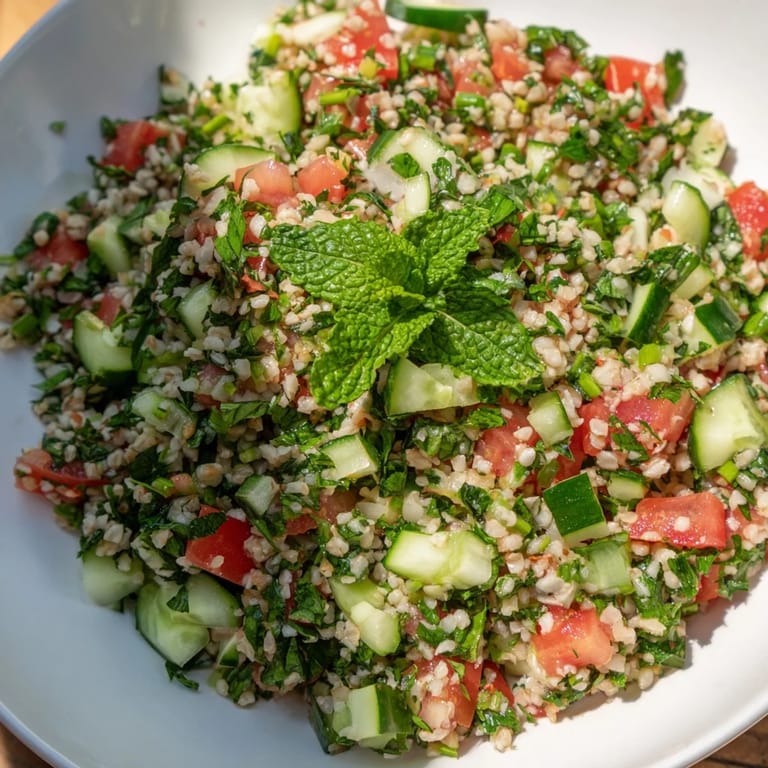
- Chop your parsley and mint finely, slice the spring onions, and dice your tomatoes and cucumber, then toss everything together in a large bowl. The vegetables will start releasing their juices almost immediately, which is exactly what you want.
- Build your dressing:
- Whisk together the olive oil, fresh lemon juice, salt, and pepper in a small bowl, tasting as you go and adjusting until it feels bright and balanced to you. Remember that you can always add more lemon but you can't take it back, so go slowly.
- Bring it all together:
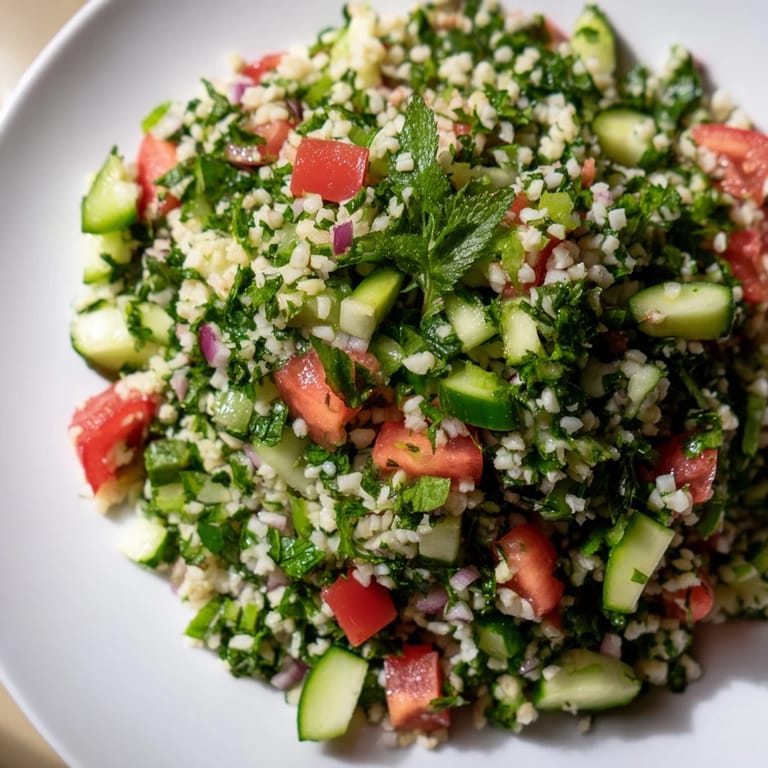
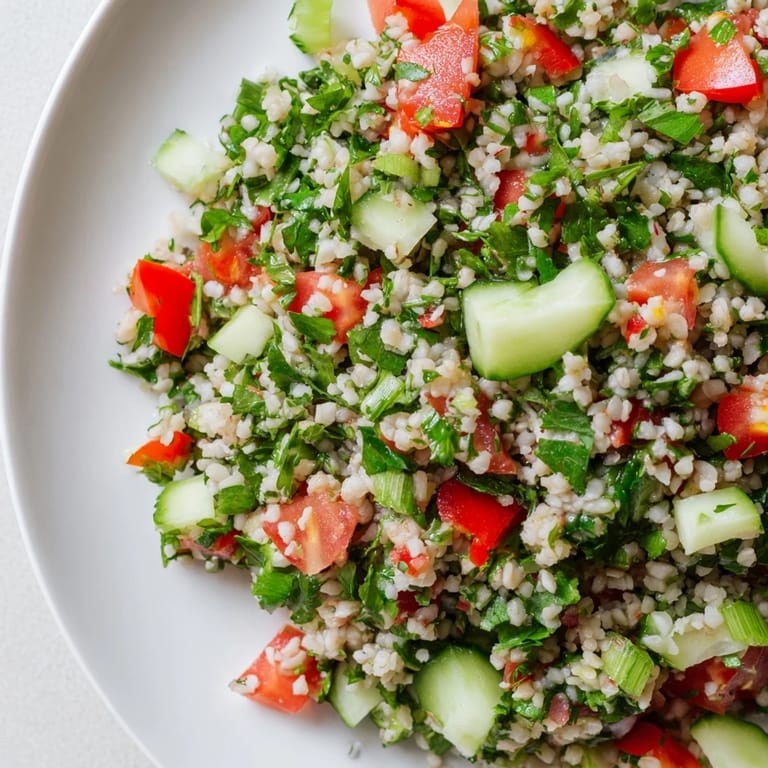
- Add the cooled bulgur to your herb and vegetable mixture, pour the dressing over everything, and toss gently so nothing gets bruised. The whole thing should come together in about a minute and look vibrant enough to make people reach for seconds before they've even sat down.
 Save to Pinterest
 There was a moment during a family lunch when my six-year-old nephew asked for seconds of the tabbouleh instead of the grilled meat, and the whole table went quiet for a second before everyone laughed. That's when I realized this salad had stopped being just food and become something that brings people together, something that makes vegetables exciting enough to steal the spotlight.
When to Make This
Tabbouleh is at its best when tomatoes are at their peak and you can get herbs that smell alive and green, so late spring through early fall is ideal. But honestly, I've made it in winter with hot-house tomatoes and it still tastes fresh enough to feel like a small escape. The beauty of this salad is that it works year-round as a side dish, but on warm days when you don't want to turn on the stove, it becomes essential.
Variations and Swaps
I've made this with quinoa instead of bulgur for friends who can't eat gluten, and it works beautifully—just make sure your quinoa is completely cooled and fluffed so it doesn't clump. Some people add pomegranate seeds or chickpeas to make it more of a main course, and I've even seen it with radishes for extra crunch and peppery notes. The foundation is so strong that you can play with the vegetables depending on what looks good at the market that day.
Storing and Serving
Tabbouleh tastes best within a few hours of being dressed, but you can make it a day ahead and store it in the fridge if you need to—just add a touch more lemon juice when you're about to serve it because the grain soaks up the dressing over time. It's equally good chilled straight from the fridge or brought to room temperature, and it travels well to picnics, potlucks, or any table where you want to bring something fresh.
- If you're making it ahead, keep the dressing separate and add it right before serving for maximum brightness and crunch.
- Bring it out at least thirty minutes before eating if it's been refrigerated, so the flavors wake back up.
- Leftovers work great tossed into grain bowls the next day, even if they've lost some of their original texture.
 Save to Pinterest
 Making tabbouleh has become my way of bringing something alive and generous to a table, a salad that says you cared enough to chop fresh herbs and balance flavors with your own hands. It's become less about the recipe and more about the moment.
Recipe FAQs
- → What grain is traditionally used in this salad?
Fine bulgur wheat is soaked until tender and used as the grain base, lending a nutty texture.
- → Can this salad be made gluten-free?
Yes, substituting bulgur with cooked quinoa makes it suitable for gluten-free diets while keeping a similar texture.
- → Which herbs provide fresh flavor in this dish?
Flat-leaf parsley and fresh mint leaves are finely chopped, adding vibrant aroma and brightness.
- → What dressing complements the ingredients best?
A simple blend of extra-virgin olive oil, freshly squeezed lemon juice, sea salt, and black pepper enhances the natural tastes.
- → How should it be served for best flavor?
Serve chilled or at room temperature to highlight the fresh, crisp textures and zesty dressing.
- → How long can this salad be stored after preparation?
It keeps well refrigerated for up to 2 days but is best enjoyed fresh for optimal texture and flavor.