 Save to Pinterest
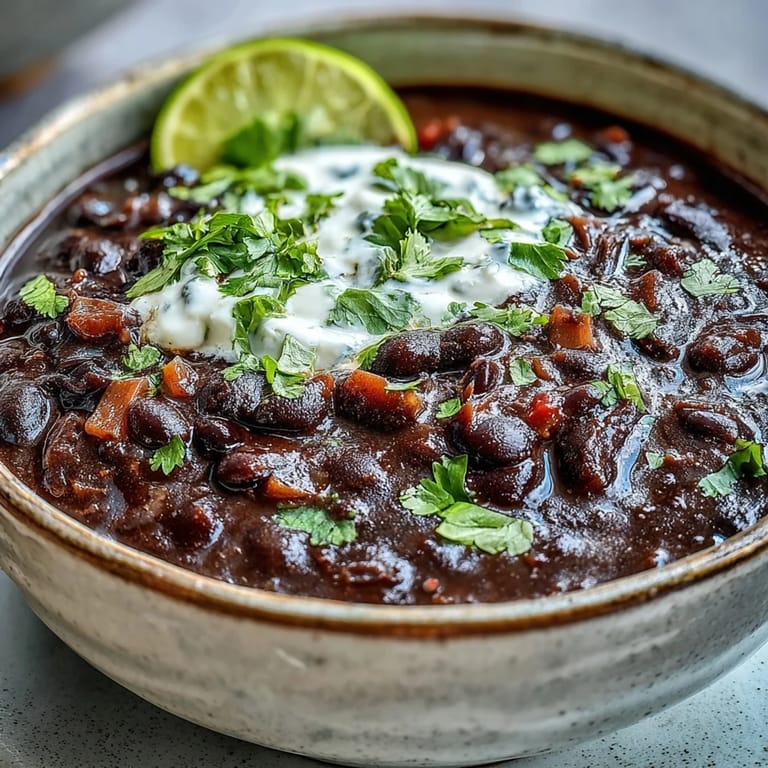
 My neighbor showed up one October afternoon with a pot of black bean soup, the kind that fills your kitchen with cumin and warmth before you even taste it. She wouldn't share the recipe that day, just smiled and said it was something her grandmother made whenever the weather turned cold. I spent the next few weeks chasing that flavor, adjusting spices and techniques until I found something just as comforting. This soup became my answer to those moments when you need something that feels both nourishing and deeply familiar, whether you're cooking for yourself or feeding someone who needs a little comfort.
I made this soup for my sister during her first week in a new city, when she was tired and homesick and sitting in an unfurnished apartment. Watching her eat it slowly, tasting each spoonful carefully, then going back for more—that's when I realized this recipe had crossed from just being good to being something that actually mattered. The garnishes let everyone customize their own bowl, which somehow turned eating into this small act of choosing for yourself, which felt important that day.
Ingredients
- Olive oil: Start with good quality if you can, since it's one of the few ingredients doing the heavy lifting in the beginning, building the foundation for everything that follows.
- Yellow onion, garlic, carrot, and celery: This classic combination (the foundation of so much good cooking) needs time to soften and release its sweetness, so don't rush the initial sauté.
- Black beans: Canned beans work beautifully here and save you hours, but if you're using dried beans you've cooked yourself, they'll have an even deeper flavor—just use about 3 cups cooked.
- Diced tomatoes: Keep the juice when you open the can; it carries acid and depth that brightens the whole soup.
- Vegetable broth: This is where your soup gets its character, so use something you'd actually drink on its own if you can.
- Ground cumin, smoked paprika, and chili powder: These three are the soul of the soup, so measure them honestly and don't skip the step of toasting them in the pot—it makes them wake up.
- Oregano and coriander: Dried oregano adds an earthy note while coriander brings something subtle and warm that people taste but can't quite name.
- Salt, black pepper, and cayenne: Season carefully as you go, tasting at the end because beans can absorb salt in surprising ways.
Tired of Takeout? 🥡
Get 10 meals you can make faster than delivery arrives. Seriously.
One email. No spam. Unsubscribe anytime.
Instructions
- Start with heat and patience:
- Pour olive oil into your pot and let it warm over medium heat, then add the chopped onion, carrot, and celery. You're looking for them to soften and turn translucent, which takes about five minutes—this is where flavor begins, so don't skip ahead.
- Layer in the garlic:
- Once the vegetables are soft, add your minced garlic and cook for just one minute until the kitchen smells almost overwhelming with it. This brief moment prevents the garlic from burning and becoming bitter.
- Toast the spices:
- This is the move that changes everything—stir in all your spices at once and let them toast in the hot oil for a full minute. You'll smell them transform from dusty powder into something alive and complex.
- Build the soup:
- Add your drained beans, the tomatoes with their juice, and the broth all at once, stirring well. Bring it to a rolling boil, then immediately reduce the heat and let it simmer uncovered for about twenty-five minutes, stirring occasionally so nothing sticks to the bottom.
- Create the texture:
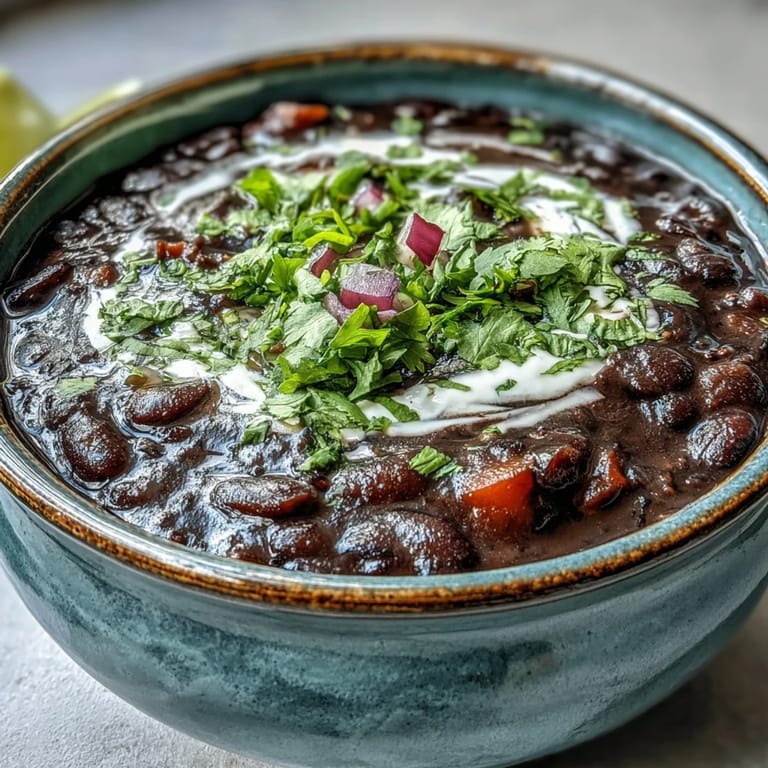
- This is where the magic happens—use an immersion blender to pulse the soup until it's creamy but still has whole beans and vegetables visible. If you don't have an immersion blender, carefully scoop half the soup into a regular blender, blend until smooth, and stir it back into the pot.
- Taste and adjust:
- Smell it, taste it, think about what it needs—maybe more salt, maybe that pinch of cayenne if you want heat, maybe a squeeze of lime juice if it needs brightness.
- Serve with intention:
- Ladle the soup into bowls while it's still steaming and set out all your garnishes so people can build their own perfect version.
 Save to Pinterest
 One evening my kids actually asked for seconds without being prompted, and my youngest wanted to know if he could help make it again next time. That's the moment you know a recipe has become part of your rotation, the kind of thing that gets made without thinking because it always works and people always come back to the table.
The Garnish Question
I used to think garnishes were fancy, something you skipped when cooking alone or in a hurry. Then I realized that cilantro, avocado, lime, and sour cream aren't decoration—they're different invitations to the same soup, letting everyone experience it differently based on what they're hungry for. Some people want cooling richness, others want brightness and freshness, and some want it spicy and sharp.
Timing and Temperature
This soup is forgiving about time in ways that feel genuinely useful for real cooking. You can simmer it for longer than twenty-five minutes without harm, which means if guests are running late or you're dealing with kitchen chaos, the soup just gets more developed and mellow. The only thing to watch is the stove—don't walk away completely, since beans can stick and burn if the heat is too high or you forget about it entirely.
Making It Your Own
After the first few times making this, you'll start understanding where it can bend. I've added jalapeños for heat, stirred in coconut milk for richness, thrown in a handful of spinach at the end for color and nutrition, or switched the cumin emphasis when I wanted something different. The structure stays solid, but the personality shifts with what you add and how you season it.
- Coconut milk swirled in at the end transforms the whole thing into something silkier and more luxurious.
- A jalapeño or two chopped with the vegetables builds heat gradually rather than hitting you all at once.
- Frozen soup keeps for up to two months, and it thaws beautifully for rushed weeknight dinners.
 Save to Pinterest
 This soup has earned its place in my regular rotation because it's honest food that takes care of people. Make it for yourself on a quiet evening, or make it for someone who needs something warm and grounding—either way, it shows up and does what it promises.
Recipe FAQs
- → Can I make this soup entirely smooth?
Yes, simply blend the entire soup with an immersion blender or countertop blender until completely smooth. You may need to add a bit more broth if the texture becomes too thick.
- → Can I use dried black beans instead of canned?
Absolutely. Soak 1 cup dried black beans overnight, then cook until tender before adding to the soup. This will take longer but adds excellent flavor and texture.
- → How long does this soup keep in the refrigerator?
The soup stores well in an airtight container for 4-5 days. The flavors often deepen and improve after a day or two, making it excellent for meal prep.
- → Can I freeze this soup?
Yes, this freezes beautifully for up to 2 months. Cool completely before transferring to freezer-safe containers. Thaw overnight in the refrigerator and reheat gently on the stove.
- → What can I serve with black bean soup?
Crusty bread, cornbread, or tortilla chips make excellent accompaniments. A simple green salad or avocado slices also complement the rich flavors nicely.
- → How can I make this soup spicier?
Add a diced jalapeño or serrano pepper with the vegetables, increase the chili powder to 1.5 teaspoons, or add more cayenne pepper to taste.