 Save to Pinterest
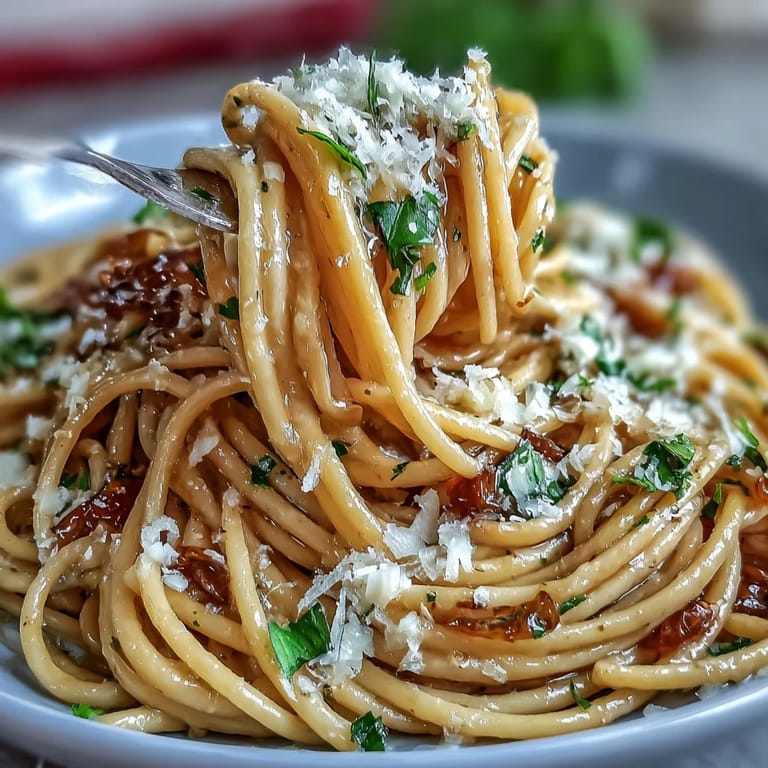
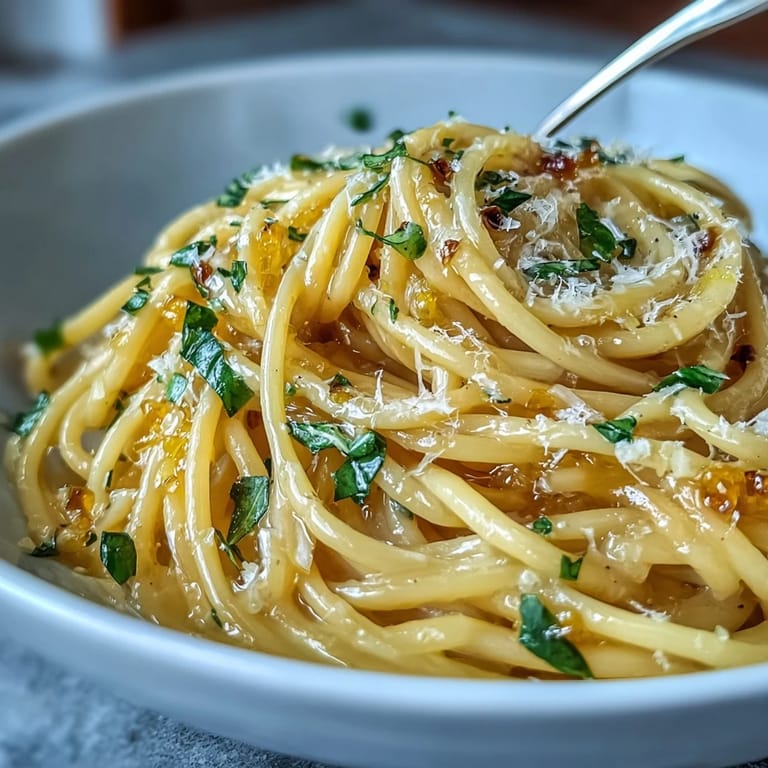
 Every spring, as the air sharpens with that first burst of green, I crave dishes that wake up the senses. One chilly April evening, I was experimenting with a nearly empty fridge and stumbled into this bright, lemon-kissed pasta—completely by accident. The tang of citrus mixed with melting butter filled my kitchen with a hopeful aroma, as if winter had finally loosened its grip. The whole meal came together so quickly, I actually checked the clock twice. Now, whenever I spot fat lemons at the market, this is the first dinner that comes to mind.
Once, on a whim after work, I tossed this together for a friend visiting from out of town. We ate at the kitchen counter straight from the pan, steam curling around glasses of chilled wine and fresh basil perfuming the moment. The kitchen was a mess, nobody minded, and the leftovers vanished before they had a chance to cool. This dish always brings people to the conversation, not just the table.
Ingredients
- Dried Spaghetti or Linguine (200 g): I’ve learned any good pasta holds this sauce beautifully, but spaghetti or linguine soak up just the right amount—don’t forget to salt the water generously.
- Unsalted Butter (40 g): Using unsalted butter gives you full control over the seasoning, and melting it slowly prevents browning which keeps the sauce golden and smooth.
- Large Lemon (zested and juiced): The freshest lemon you can find will brighten every bite; zest it before juicing to avoid chasing slippery halves around the counter.
- Pasta Cooking Water (60 ml): Starchy water is the ultimate secret for a silky sauce that clings to every noodle—always scoop it out before draining.
- Parmesan Cheese, finely grated (60 g + more for serving): Grating it yourself produces soft, fluffy shreds that melt instantly; if possible, choose real Parmigiano-Reggiano for its deep flavor.
- Freshly Ground Black Pepper (1/4 tsp): Don’t skimp—just-ground pepper adds peppery lift in each forkful.
- Salt, to taste: Adjust at the end, since both pasta water and parmesan already add saltiness.
- Fresh Basil Leaves, torn (small bunch): Tear instead of chop for a more tender bite and deeper aroma—basil bruises easily under a knife.
- Lemon Zest, for garnish (optional): A finishing sprinkle brings a burst of citrus right before eating.
Tired of Takeout? 🥡
Get 10 meals you can make faster than delivery arrives. Seriously.
One email. No spam. Unsubscribe anytime.
Instructions
- Get That Water Boiling:
- Fill a big pot with water and salt it until it tastes like the sea. The bubble and hiss from the boiling always makes it feel like something good is about to happen.
- Cook the Pasta:
- Add spaghetti or linguine and stir once or twice. When nearly al dente, scoop out about a quarter cup of that starchy water—trust me on this—then drain.
- Melt the Butter and Scent with Lemon:
- Over medium heat, let the butter slide and puddle in a large skillet until just melted, then stir in the lemon zest. The moment it becomes fragrant, you’re ready for the next step.
- Bring It Together:
- Add cooked pasta straight into the skillet while still dripping, tossing so every strand gets glossy. Pour in lemon juice and your reserved pasta water and marvel as everything loosens and glimmers.
- Make It Silky:
- Scatter parmesan and black pepper into the skillet, then quickly toss while it thickens into a luscious coating. Taste and sprinkle in more salt if needed—the sauce should sing with brightness and depth.
- Finishing Touches:
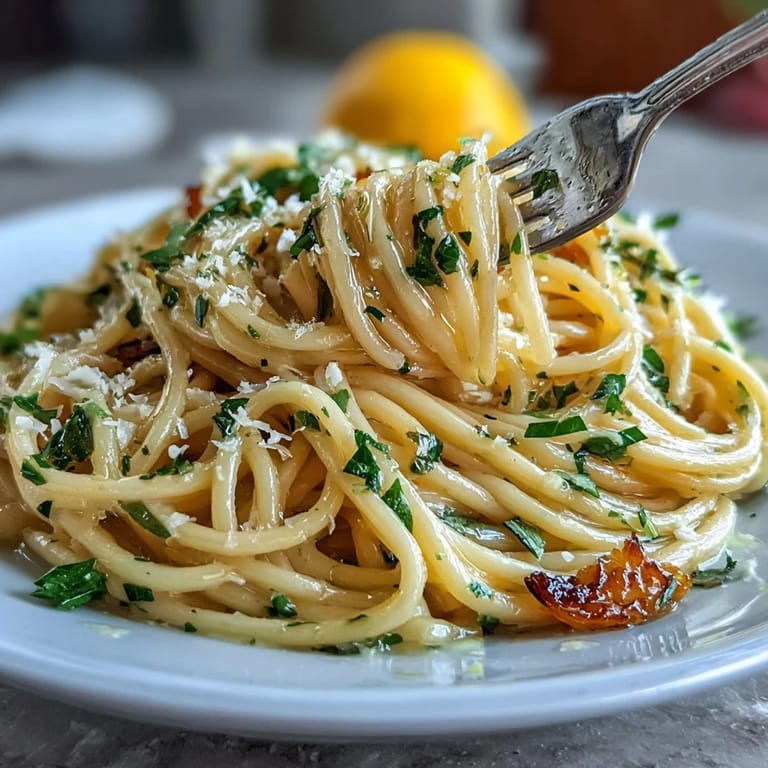
- Remove from the heat and let torn basil leaves tumble over the top. Give it one last gentle toss, then serve immediately with fresh parmesan and a little lemon zest if you like a sharp finish.
 Save to Pinterest
  Save to Pinterest
 I’ll never forget making this while my windows were thrown open, jazz tumbling out from the living room. The scent of toasted lemon zest and basil drifted outside and a neighbor yelled up to ask what in the world I was cooking. That tiny shared moment—someone else catching delight in your cooking—made this recipe much more than a simple supper.
Making It Your Own
This recipe is a blank canvas for whatever spring herbs you have on hand—sometimes I’ll throw in a touch of mint or a few baby peas for sweet pops of green. Swapping parmesan for pecorino brings a saltier boldness that’s just as tempting. Do experiment, and don’t be afraid to riff with lemon varieties if you’re feeling adventurous.
Serving Suggestions for Spring Evenings
There’s something magical about serving this pasta outdoors, letting the sun do its slow stretch across the table. A crisp Sauvignon Blanc or Pinot Grigio makes the lemon flavors sparkle, and a simple green salad with juicy radishes is all you need alongside. Bonus points if you serve right from the pan and let everyone help themselves.
Quick Fixes for Common Pasta Problems
If you ever overcook the pasta a touch, don’t worry—tossing it with sauce off the heat lets it absorb flavor without turning mushy. I’ve also learned it’s fine if the sauce seems thin at first; stirring vigorously thickens it as cheese and starch work their magic. And if you want to add a protein, grilled shrimp or leftover roast chicken fit right in.
- Warm your serving bowls to keep the pasta hot longer.
- Add basil at the very end to keep it vibrant.
- Always finish with a fresh grating of parmesan right before serving.
 Save to Pinterest
  Save to Pinterest
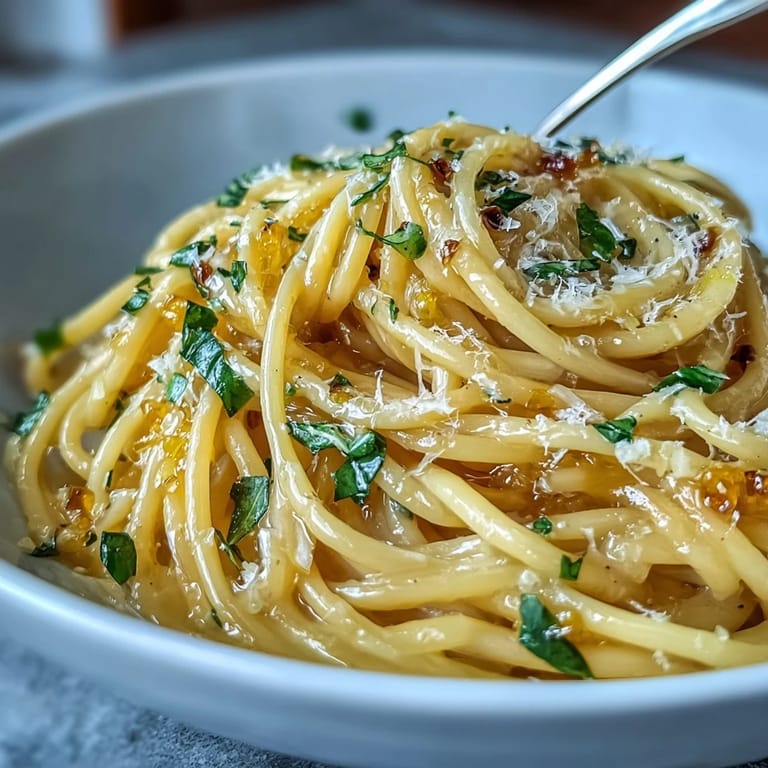
 This dish never fails to lift my mood—even on nights when the weather refuses to cooperate. I hope it brings a little bit of sunshine to your table, too.
Recipe FAQs
- → How do I keep the sauce silky and not greasy?
Reserve starchy pasta water and add it a little at a time while tossing over low heat; the emulsion between butter, lemon juice and starch creates a glossy sauce rather than a greasy one.
- → Which pasta shapes work best here?
Long strands like spaghetti or linguine cling to the lemon-butter emulsion best, but bucatini or tagliatelle work well too; short tubes are fine if you want more sauce pockets.
- → What are good swaps for gluten- or dairy-free needs?
Use certified gluten-free spaghetti and a plant-based butter with a vegan grated cheese alternative; adjust seasoning and add a touch more pasta water for creaminess if needed.
- → How can I avoid a bitter lemon flavor?
Use only bright yellow zest (avoid the white pith), add lemon juice to taste, and gently heat zest in butter briefly to release oils without overcooking.
- → Can I make this ahead and reheat?
Cook pasta and store separately from the sauce. Reheat pasta briefly in boiling water or toss with warm sauce and a splash of reserved cooking water to loosen before serving.
- → What proteins and wines pair well?
Grilled chicken or sautéed shrimp add protein without overwhelming the lemon notes. Pair with a crisp Sauvignon Blanc or a light Pinot Grigio for a fresh match.