 Save to Pinterest
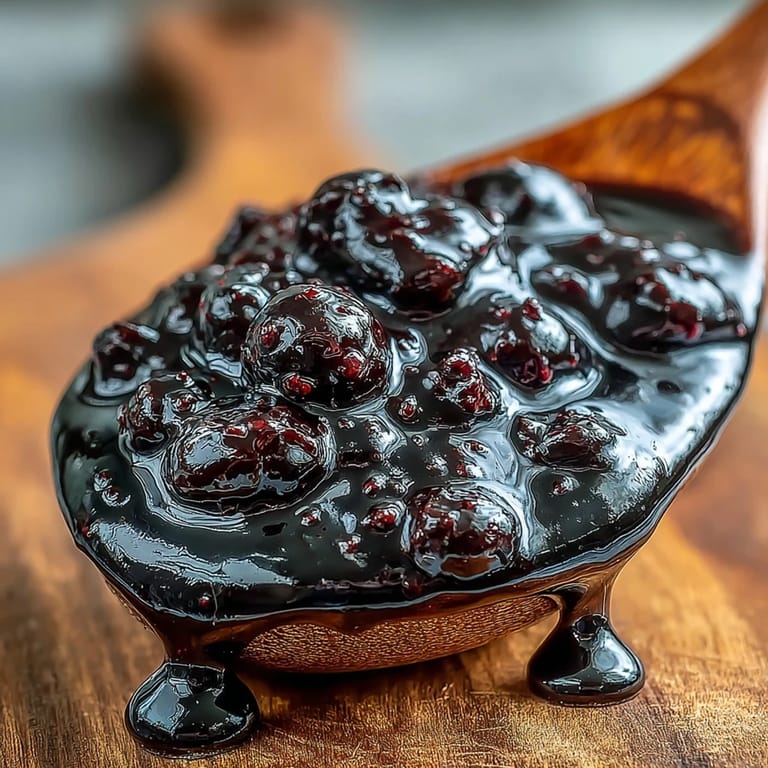
 There's something almost magical about the moment when a glaze transforms from separate ingredients into something glossy and unified. I discovered black currant glaze entirely by accident one winter afternoon when I was rummaging through my pantry and found a jar of black currant preserves wedged behind the Christmas spices. I'd bought it months earlier with vague intentions, and that day, watching the dark ruby liquid bubble and thicken in a small saucepan, I realized I'd stumbled onto something worth keeping around.
I brought this glaze to a potluck dinner where someone had volunteered to make ham, and honestly, it stole the show. The host kept asking for the recipe, and I remember laughing because it felt too easy to share, like revealing a magic trick. Now whenever friends text asking what to bring to a holiday meal, I suggest roasted vegetables brushed with this glaze, and they always come back amazed.
Ingredients
- Black currant preserves: The foundation of everything, and you'll want the real stuff not the super-processed version, because those currants bring a deep, almost wine-like complexity that cheap jams simply can't match.
- Balsamic vinegar: This is what keeps the glaze from becoming one-note sweet, adding a subtle sophistication that makes people pause and wonder what you did.
- Honey: Not just sweetener, but a texture builder that helps the glaze cling to whatever you're coating.
- Dijon mustard: A small amount goes a long way, cutting through richness and adding a barely detectable sharpness that makes your taste buds sit up and pay attention.
- Unsalted butter: Creates that luxurious, glossy finish that makes the glaze look like it came from somewhere fancy.
- Brown sugar: Deepens the flavor slightly and contributes to that caramelized, slightly sticky consistency.
- Fresh thyme leaves: Optional, but if you have fresh thyme growing or can grab a sprig, it adds an herbaceous note that feels intentional and careful.
- Ground black pepper and salt: The final seasoning layer that brings everything into focus.
Tired of Takeout? 🥡
Get 10 meals you can make faster than delivery arrives. Seriously.
One email. No spam. Unsubscribe anytime.
Instructions
- Gather everything and prep your station:
- Pull out a small saucepan and have all your ingredients within arm's reach, especially that thyme if you're using it. This is a quick recipe, so you don't want to be hunting for the Dijon mustard mid-stir.
- Combine the base ingredients:
- Add the black currant preserves, balsamic vinegar, honey, Dijon mustard, butter, and brown sugar to your saucepan. Don't turn on the heat yet, just let them sit together for a moment.
- Heat and melt everything:
- Turn the heat to medium and stir gently with a whisk or wooden spoon, watching as the butter starts to soften the preserves and everything begins to blend into a cohesive mixture. You'll hear a gentle bubbling sound, and the whole thing will look much smoother after about 2 minutes.
- Add the finishing touches:
- Stir in your thyme (if using), black pepper, and a pinch of salt. The mixture will smell incredible at this point, almost floral and sophisticated.
- Let it simmer and thicken:
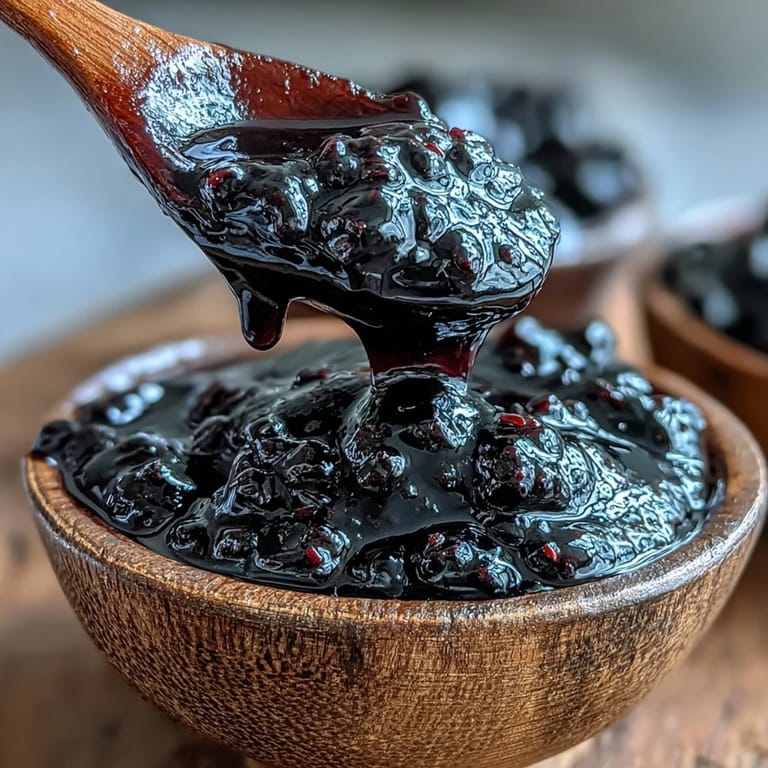
- Keep the heat on medium and let the glaze bubble gently for 5 to 7 minutes, stirring occasionally. You'll notice it becoming glossy and slightly thicker, clinging to your spoon in a way that feels just right. This is when you know it's ready.
- Use or store:
- Remove from heat and brush it onto roasted meats or vegetables during the final 20 to 30 minutes of cooking, or let it cool slightly and serve as a sauce on the side. Leftovers keep beautifully in a sealed jar in the fridge for up to a week.
 Save to Pinterest
 There was a moment at Christmas dinner when my uncle, who is notoriously difficult to cook for, asked for seconds of the roasted ham with this glaze, and my grandmother caught my eye from across the table with this knowing smile. That's when this recipe stopped being just another thing I made and became something I'd protect.
Why This Glaze Feels Like a Secret Weapon
The beauty of this glaze is that it reads as complicated and intentional when really you're just combining a handful of pantry staples. The black currants bring an unexpected depth that makes people think you've learned some fancy culinary technique, when the truth is you're just letting good ingredients work together. I've used this on everything from a simple sheet pan of roasted root vegetables to an elaborate ham for a dinner party, and it never fails to be the thing everyone asks about.
Substitutions and Variations That Actually Work
Don't stress if black currant preserves are hard to find in your area, because red currant jam and cherry preserves work beautifully as well, each bringing their own subtle character. I once made this with raspberry preserves when that's what I had on hand, and it was slightly brighter and less wine-like, but still absolutely delicious. The mustard can be swapped for whole grain if you prefer a more textured glaze, and the thyme can become rosemary if that's what speaks to you.
Beyond Just Meat and Vegetables
I've brushed this on duck breasts during the final minutes of cooking, and the glaze creates this incredible caramelized crust that shatters between your teeth. Roasted Brussels sprouts halved and tossed with this glaze become something people actually fight over at the dinner table. It's even phenomenal spooned over creamy cheese as a surprising appetizer accompaniment, or drizzled over roasted carrots for a side that feels thoughtful without requiring much effort.
- For ham, brush it on during the last 30 minutes and watch it build layers of glossy richness as the oven does the work.
- If you're using it as a finishing sauce rather than a cooking glaze, let it cool slightly so it doesn't slide right off what you're serving.
- Always taste as you go, because different brands of preserves have varying sweetness levels, and you might want to adjust the balance slightly to match your preference.
 Save to Pinterest
 This glaze has become one of those recipes I reach for when I want to feel capable and creative without spending all day in the kitchen. It's proof that sometimes the most impressive results come from the simplest decisions.
Recipe FAQs
- → What can I use this glaze on?
Brush over roasted meats like pork, chicken, duck, or glazed ham during the last 20-30 minutes of cooking. It also works beautifully on baked root vegetables or served as a side sauce.
- → How do I store leftovers?
Keep in a sealed jar in the refrigerator for up to 1 week. Reheat gently before using to restore the glossy consistency.
- → Can I substitute the black currant preserves?
Red currant or cherry preserves work well as alternatives. The flavor profile will shift slightly but still provide that fruity tang and sweetness.
- → Should I strain the glaze?
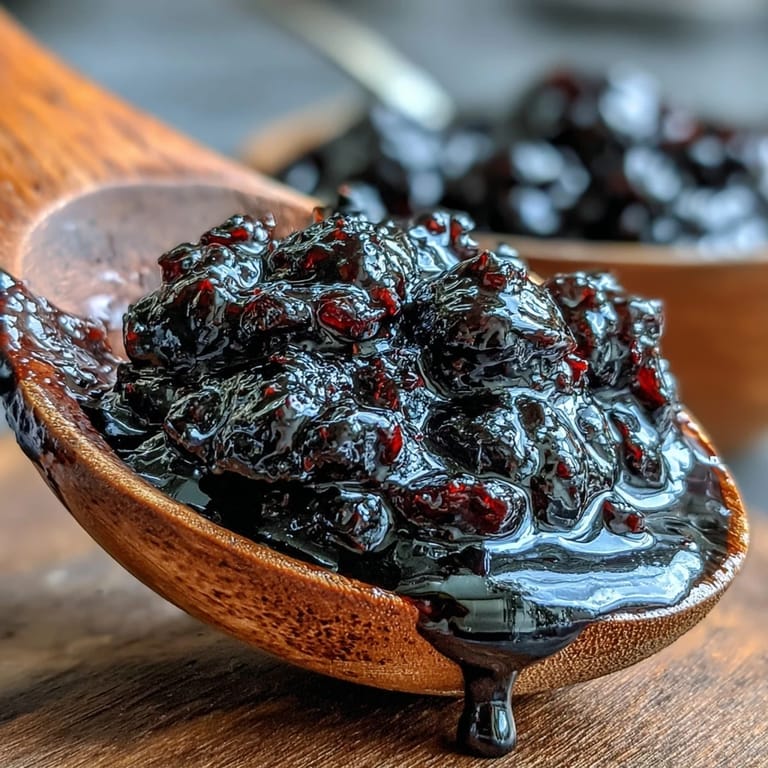
Straining through a fine mesh sieve creates a smoother texture, but it's optional. The preserves may contain small fruit pieces that add rustic texture.
- → Is this suitable for dietary restrictions?
This glaze is vegetarian and gluten-free. It contains dairy from butter and mustard, so avoid if sensitive to those ingredients.