 Save to Pinterest
 There's a particular Tuesday evening I can't forget, when my neighbor stopped by with an armful of fresh spinach from her garden and I had exactly one chicken breast thawing on the counter. Rather than ordering takeout, I improvised with a box of orzo I'd been saving and a lemon that had been sitting in my fruit bowl. What emerged from that skillet was so bright and comforting that I've made it dozens of times since, each version slightly different but always hitting that perfect balance of creamy, zesty, and green.
My daughter asked for seconds the first time I made this, which honestly shocked me because she usually picks around the spinach. Watching her scoop up forkfuls of creamy orzo studded with tender chicken made me realize this dish has a quiet way of bringing people to the table without fanfare. It's the kind of meal that feels special but never pretentious, elegant without demanding much effort.
Ingredients
- Chicken breasts or thighs, cut into bite-sized pieces (500 g): Thighs stay juicier if you prefer, but breasts work beautifully and cook faster, so cut them into uniform pieces so nothing dries out while waiting for the rest to finish.
- Orzo pasta (250 g): Those tiny rice-shaped noodles absorb broth like a dream and won't turn mushy if you keep the heat moderate and stir occasionally.
- Fresh baby spinach (100 g): The delicate leaves wilt in seconds, so add them toward the end when everything is almost done or they'll lose their bright color and turn army-green.
- Yellow onion, finely diced (1 medium): The dice should be small and uniform so it caramelizes evenly and disappears into the sauce rather than adding chunks.
- Garlic, minced (2 cloves): Fresh garlic makes all the difference here; the 30-second cook time keeps it fragrant without turning bitter or burnt.
- Low-sodium chicken broth (900 ml): Low-sodium lets you control the final seasoning, and good broth (not bouillon) makes the whole dish taste like it took hours.
- Whole milk or half-and-half (120 ml): Milk creates creaminess without the heaviness of heavy cream; if you only have cream, dilute it slightly with a splash of broth.
- Lemon zest and juice (1 large lemon): The zest goes in at the very end so it doesn't cook away, and fresh juice brightens everything instantly—bottled juice won't give you that same sparkle.
- Grated Parmesan cheese (50 g): Freshly grated melts into the sauce like silk, while pre-grated varieties contain anti-caking agents that can make it grainy or clumpy.
- Olive oil (2 tbsp total): One tablespoon browns the chicken with a good sear, and the second sautés the aromatics without burning them.
- Salt, black pepper, and chili flakes: Start conservatively with salt since broth and cheese bring their own, but a tiny pinch of chili flakes wakes up the whole dish without making it spicy.
- Fresh parsley for garnish (1 tbsp): Chop it just before serving so it stays green and lively on top.
Tired of Takeout? 🥡
Get 10 meals you can make faster than delivery arrives. Seriously.
One email. No spam. Unsubscribe anytime.
Instructions
- Sear the chicken until golden:
- Heat oil in a large skillet over medium-high heat, then add chicken pieces in a single layer and resist the urge to move them around—let them sit for 3–4 minutes to develop a golden crust before stirring. They should feel firm and cooked through when you cut into the largest piece, which takes about 5–7 minutes total.
- Build the flavor base:
- In the same pan, sauté diced onion until it turns translucent and softens, then add minced garlic and cook just long enough to smell that wonderful garlic perfume—30 seconds is all you need. This quick aromatics step creates the foundation for everything else.
- Toast the orzo briefly:
- Stir the dry orzo into the pan for about a minute, letting it pick up all those flavorful browned bits stuck to the bottom. This toasting step gives the pasta subtle nutty notes that make the dish feel more intentional.
- Simmer the orzo in broth:
- Pour in the chicken broth and bring to a gentle boil, then lower the heat and let it bubble away for 8–10 minutes, stirring occasionally so nothing sticks to the bottom. The orzo should be tender but still have a tiny bit of resistance when you bite it, and most of the liquid will be absorbed.
- Bring back the chicken and add greens:
- Return the seared chicken to the skillet and scatter the fresh spinach over top, then stir gently until the spinach wilts into bright green ribbons, which happens in about 2 minutes. The residual heat does all the work.
- Finish with lemon, cream, and cheese:
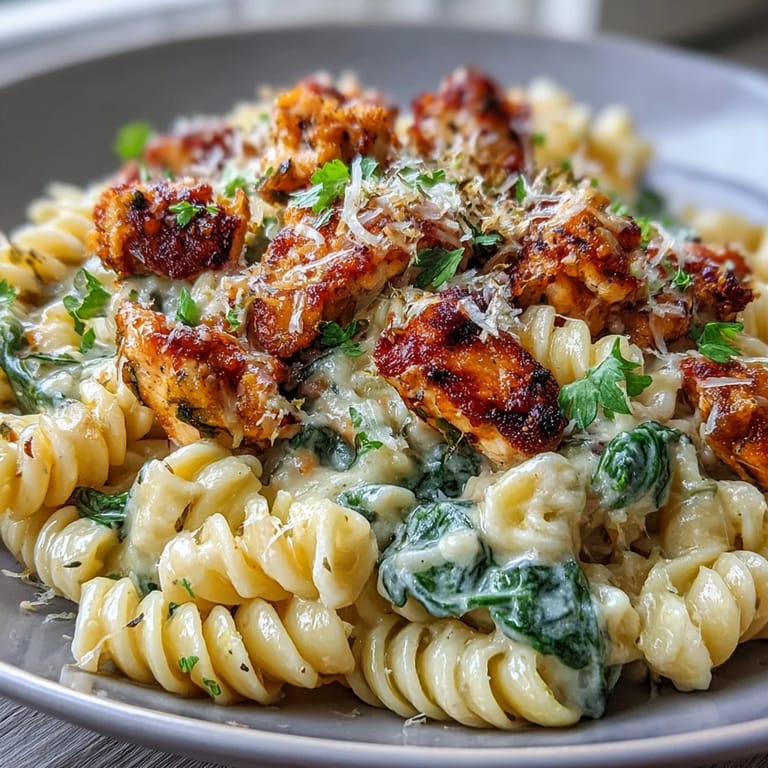
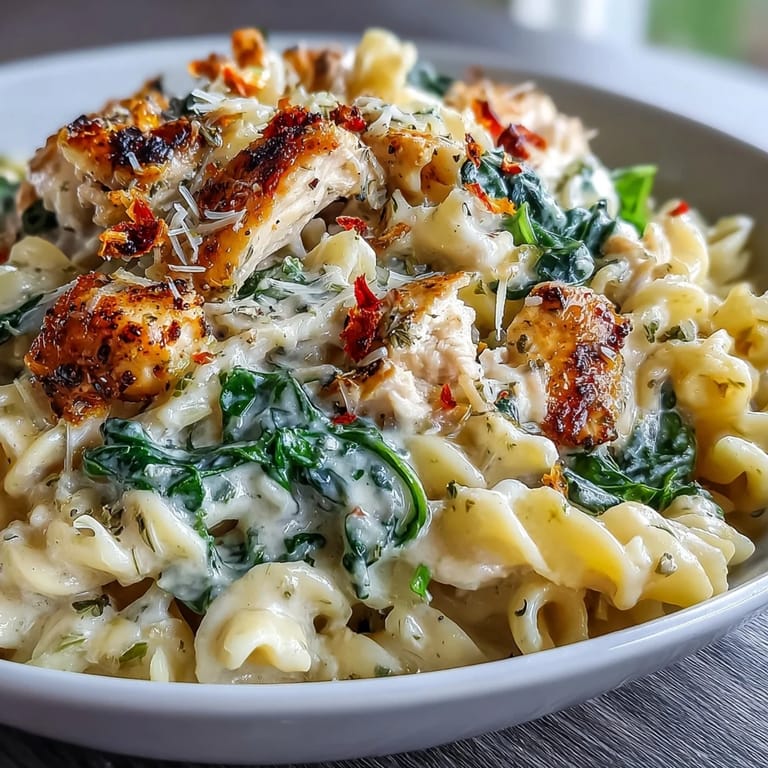
- Stir in the lemon zest, fresh lemon juice, milk, and grated Parmesan, then keep stirring until everything melds into a creamy, luxurious sauce that coats each piece of orzo. The whole pan should feel cohesive and smell absolutely alive.
- Taste and adjust:
- Taste a spoonful and add more salt or pepper if needed, remembering that the Parmesan brings its own saltiness. A crack of black pepper or a pinch of chili flakes at the end adds unexpected depth.
 Save to Pinterest
 My mom came over on a rainy evening and found this simmering on the stove, and she tasted it once and asked if I'd become a chef when she wasn't looking. The truth is simpler: it's just what happens when you respect good ingredients and let them work together without overthinking it. That compliment meant more than any fancy recipe ever could.
Why This Dish Works Every Time
The beauty of this recipe lies in its simplicity masquerading as sophistication. The orzo cooks directly in the broth instead of in a separate pot, absorbing all that savory flavor while you're dealing with the chicken and aromatics, so nothing gets wasted and everything tastes more intentional. The lemon cuts through the richness without overwhelming it, which is why you can add cream and cheese without feeling heavy afterward. It's the kind of dish where each ingredient has a job—the spinach adds color and nutrition without asserting itself, the Parmesan dissolves into creaminess rather than grittiness, and the chicken stays tender because it cooks first and finishes gently in the sauce.
Timing and Temperature Matter More Than You'd Think
I used to rush this dish and end up with mushy pasta or tough chicken, and then I realized that temperature control is the quiet star of the whole process. Medium-high heat for the chicken gives you that crucial golden crust without drying out the interior, while medium-low for the braise allows the orzo to cook evenly and absorb liquid gently. Once the lemon juice and milk go in, you want the pan at a gentle simmer, not a rolling boil, or the dairy might separate and the dish loses its silky texture. Patience here isn't about spending more time; it's about letting heat do the work at the right speed.
Variations That Keep It Interesting
Once you've mastered the basic formula, you can play with it in ways that keep it fresh. Sometimes I add a handful of sun-dried tomatoes for a deeper sweetness, or swap half the spinach for fresh peas that pop between your teeth. Other nights I finish with a scatter of crispy breadcrumbs instead of just parsley, and some mornings I've even turned leftovers into a creamy pasta salad by letting it cool and adding a drizzle of extra olive oil. The core technique stays the same, but the variations mean you can make it once a week without it ever feeling repetitive.
- Try stirring in a handful of sun-dried tomatoes or fresh peas for texture and sweetness variation.
- Crispy breadcrumbs scattered on top add a pleasant contrast to the creamy orzo.
- Leftovers transform beautifully into a cold pasta salad with a touch of extra olive oil and fresh herbs.
 Save to Pinterest
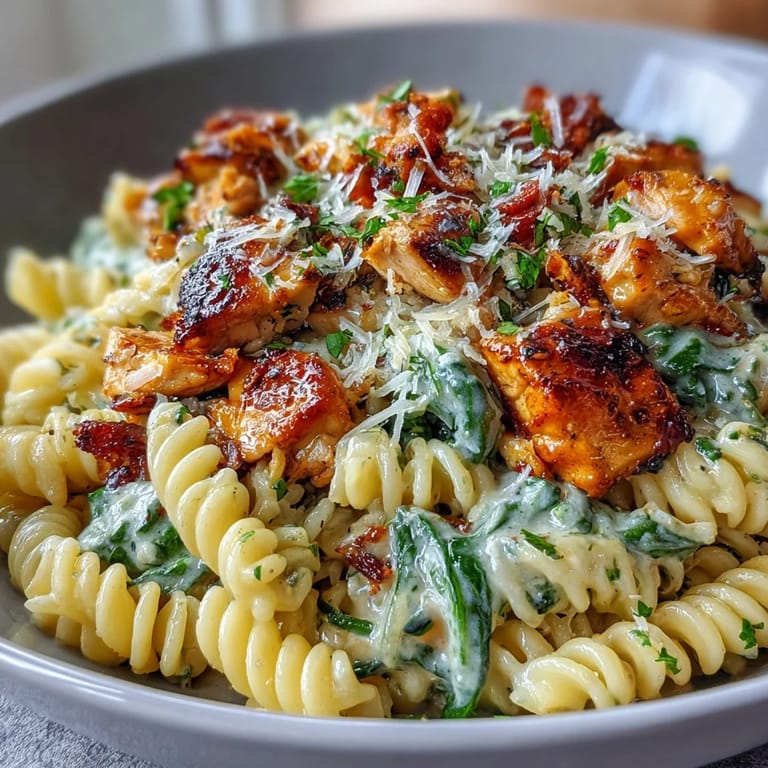
 This dish has become my go-to when I want to impress without fussing, when weeknight dinner needs to feel special, or when I'm cooking for someone I'm trying to get right with. It's honest food that tastes like you cared.
Recipe FAQs
- → What type of chicken works best for this dish?
Boneless, skinless chicken breasts or thighs work well, cut into bite-sized pieces for quick, even cooking.
- → Can I use a different pasta instead of orzo?
Yes, small pasta shapes like risoni or other rice-shaped pastas can be used as substitutes without changing the texture significantly.
- → How do I ensure the spinach doesn’t overcook?
Add the fresh baby spinach towards the end of cooking and stir just until wilted, usually about 2 minutes.
- → What can I use to make this dish dairy-free?
Omit the milk and Parmesan cheese or replace them with plant-based alternatives for a dairy-free option.
- → What wine pairs well with this meal?
Crisp white wines like Sauvignon Blanc or Pinot Grigio complement the lemon brightness and creamy texture beautifully.
- → Is it necessary to marinate the chicken?
Marinating chicken in lemon juice and garlic before cooking enhances flavor but is optional for convenience.