 Save to Pinterest
 My neighbor brought over a basket of black currants from her garden last summer, and I had no idea what to do with them until she casually mentioned syrup. That afternoon, my kitchen filled with the most intoxicating dark berry aroma, and I realized I'd stumbled onto something special. The first spoonful stirred into sparkling water tasted like concentrated summer itself, and I've been making batches ever since.
I made a big batch for a dinner party and watched my friend's face light up when she tried a simple gin and tonic with a splash of this syrup. She asked for the recipe three times that night, and now it's become her signature move at her own gatherings. That moment taught me that homemade condiments are the quiet heroes of good entertaining.
Ingredients
- Black currants: Fresh or frozen works equally well, though frozen are often cheaper and just as flavorful since you're cooking them down anyway.
- Granulated sugar: The foundation that transforms tart fruit juice into glossy, spoonable syrup without overpowering the berry's natural tang.
- Water: Just enough to coax out the currants' deep color and juice without diluting their personality.
- Lemon juice: A small splash that brightens the syrup and prevents it from tasting one-dimensional or cloying.
Tired of Takeout? 🥡
Get 10 meals you can make faster than delivery arrives. Seriously.
One email. No spam. Unsubscribe anytime.
Instructions
- Prepare the currants:
- Rinse them under cold water and pick off any stems or bits of leaf. This takes a few minutes but saves you from biting into plant material later.
- Start the simmer:
- Combine the currants and water in a medium saucepan and turn the heat to medium. You want a gentle simmer, not a rolling boil, so the berries release their juice gradually and the color stays vivid.
- Cook until they burst:
- Stir occasionally for 10 to 12 minutes and watch the currants soften and split open, releasing their dark purple liquid. The kitchen will smell almost jammy at this point.
- Cool and strain:
- Let the mixture cool for a few minutes, then pour it through a fine-mesh sieve or cheesecloth into a clean bowl. Press gently on the solids to squeeze out every drop of juice without crushing the seeds into the syrup.
- Return and sweeten:
- Pour the strained juice back into the saucepan, add the sugar and lemon juice if using, and stir until the sugar dissolves completely. The mixture will be thin still, which is exactly right.
- Finish simmering:
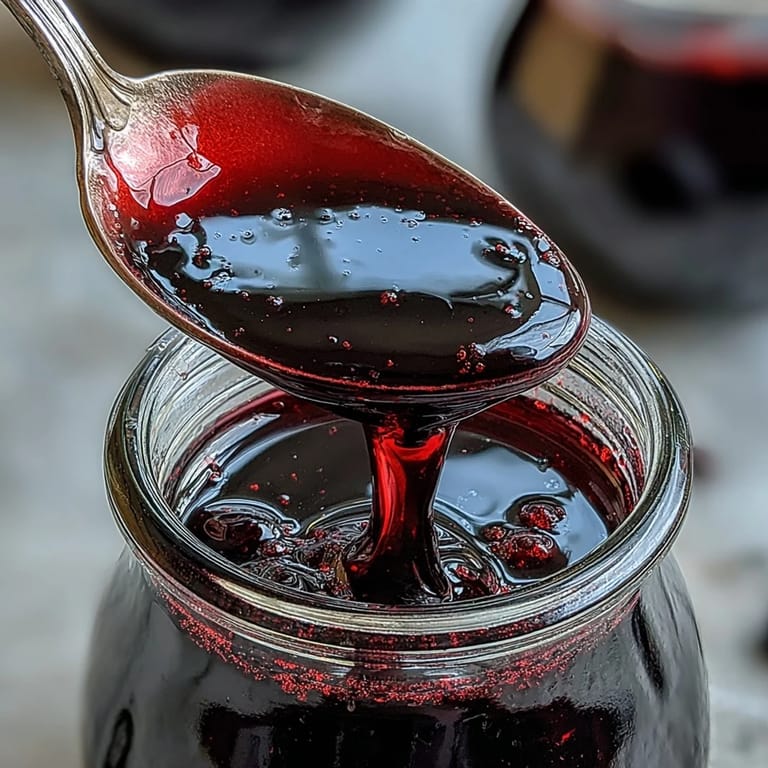
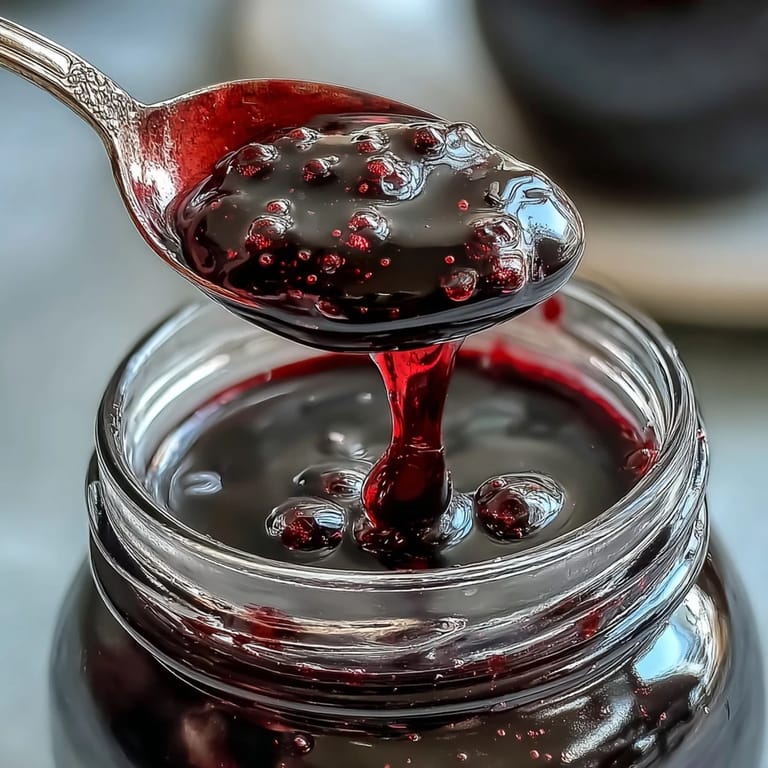
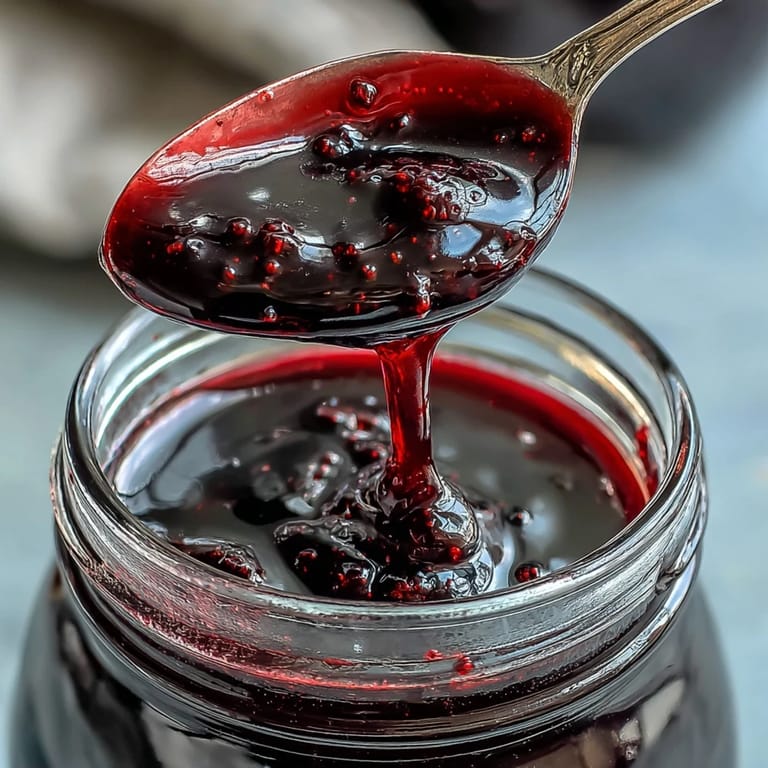
- Bring to a gentle boil, then reduce the heat and let it bubble softly for 10 to 15 minutes, stirring once or twice. You'll notice it thicken slightly and become glossy as it cools, so don't overdo it or you'll end up with something more like jam.
- Cool and bottle:
- Pour the finished syrup into sterilized glass jars while still warm. It will continue to thicken as it cools, so be patient before deciding if you need to simmer it longer next time.
 Save to Pinterest
 There's something quietly satisfying about bottling syrup on a quiet afternoon, knowing you've captured the essence of a berry that only shows up for a few weeks each year. It feels like a small act of defiance against the seasons, a way of holding onto summer when autumn arrives.
Flavor Variations That Work
Once you master the basic recipe, you can start experimenting. A small piece of vanilla bean added during the final simmer rounds out the sharpness beautifully, while a pinch of ground cardamom or a strip of orange zest transforms it into something almost mystical. I've even tried swapping half the sugar for honey, which gives the syrup a softer, more complex sweetness that pairs especially well with cheese and charcuterie.
Using Your Syrup Every Day
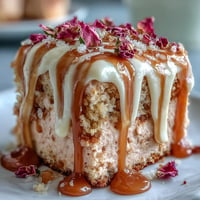
The magic of black currant syrup is that it works in both sweet and savory contexts. Spoon it over yogurt, drizzle it on cheesecake, mix it into cocktails, or even brush it on a roasted duck breast during the last minute of cooking for a glossy, tangy glaze. A friend of mine swears by it mixed into cream cheese for a shocking good spread on toast, and honestly, now I do too.
Storage and Shelf Life
Sealed in sterilized jars and kept in the refrigerator, this syrup stays fresh for a full month and shows no sign of deterioration if you don't open it constantly. Some people freeze it in ice cube trays for longer storage, which is brilliant because you can pop out a cube whenever you want just enough for a single drink. Use a clean spoon every time you dip into the jar, and it will reward your care with months of sweet, dark purple magic.
- Always use a clean spoon when serving to avoid introducing bacteria that could cause spoilage.
- If you notice any mold or off-smells, discard the entire jar without tasting it.
- The flavor actually deepens slightly after the first week in the refrigerator, so don't judge it immediately.
 Save to Pinterest
 This syrup is proof that some of the best things in a kitchen come from paying attention to what's in season and being willing to spend a quiet afternoon making something just for the joy of it. Once you taste it, you'll understand why my neighbor's gift turned into an annual ritual.
Recipe FAQs
- → Can I use frozen black currants?
Yes, frozen black currants work beautifully. Thaw them slightly before cooking, and they'll release their juices just as well as fresh ones.
- → How long does the syrup last?
When stored in sterilized glass containers and kept refrigerated, this syrup stays fresh for up to one month.
- → What can I use this syrup for?
Drizzle over pancakes and yogurt, mix into cocktails or sparkling water, sweeten coffee and tea, or use as a topping for ice cream and desserts.
- → Can I substitute other sweeteners?
Honey works well as a sugar substitute. Start with less and adjust to taste, as honey has a stronger flavor and higher sweetness intensity.
- → How do I make the syrup thicker?
Extend the simmering time by 5-10 minutes after adding sugar. The liquid will reduce further, creating a more concentrated, thicker consistency.
- → What tools do I need?
A medium saucepan, fine-mesh sieve or cheesecloth for straining, wooden spoon, measuring tools, and sterilized glass bottles for storage.